


Why is it important?
After a fragility fracture adequate nutrition is needed to:
- Heal bones
- Repair muscles and tissues
- Maintain strength and improve mobility
- Improve independence in daily activities
- Reduce the risk of complications and readmission
- Reduce mortality

Protein
Protein helps to repair muscle and support healing. Aim to include protein with every meal.
- Chicken, turkey or lean meat
- Milk, yoghurt, cheese
- Eggs
- Fish
- Beans, lentils, chickpeas
- Tofu and soya products

Energy
Your body needs enough energy to heal after a fracture. Good sources include:
- Peanut butter, nuts and seeds
- Lentils and chickpeas
- Nuts and seeds
- Fruits such as avocado
- Smoothies, fruit juices and nourishing drinks
- Nutritional milkshakes e.g. fortisips compact protein
Choose higher energy options on the hospital menu (marked with an orange +). Snack options include cheese and biscuits, Club bars or Soreen bars

Calcium
Calcium is important for healthy bones. Good sources include:
- Milk
- Cheese
- Yoghurt
- Plant based milk like soya and almond drinks with added calcium
- Tinned sardines or pilchards with bones
- Rice pudding
- Custard
Nutritional supplements
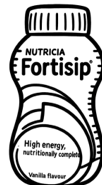
Oral nutritional supplements are energy- and protein-rich drinks available in a variety of flavours. They can help you meet your energy, protein, vitamin and mineral needs following surgery and may support recovery and reduce the risk of complications.
While you are in hospital, these will be prescribed for you following your operation and continued for the duration of your hospital stay. They are intended to supplement rather than replace your usual meals and snacks.
They will not routinely be continued after discharge unless this has been recommended by a dietitian during

Vitamin D
If aged 65+ you are more at risk of vitamin D deficiency. This can lead to weak bones (osteoporosis) which can easily fracture
Good sources include:
- Oily fish
- Red meat and liver
- Eggs
- Cod liver oil
- Fortified margarines, breakfast cereals

Stay Hydrated
Drinking enough fluids helps prevent dehydration, constipation and confusion.
- Drink little and often throughout the day.
- Water, milk, tea and coffee all help to keep you hydrated.

Top Tips
- Eat “little and often” throughout the day (every 2-3 hours).
- Make the most of the times you feel like eating.
- Include protein in each meal- try to eat the protein first.
- Include snacks between meals to help increase your energy intake.
- Choose higher energy options where appropriate. Hospital menu choices with an orange plus (+) sign are high in energy.
- Nourishing homemade drinks such as milkshakes can help increase protein and energy intake.
- If you are struggling to eat after leaving hospital, take a look at our High Energy and Protein Diet and Nourishing Drinks leaflets (scan the QR code below or ask for the leaflets whilst in hospital). If it persists, contact your GP who may refer you to the community dieticians.
References
- National Institute for Health and Care Excellence (NICE). Hip Fracture: Management (CG124). (opens in a new tab)
- National Institute for Health and Care Excellence (NICE). Nutrition Support for Adults. (opens in a new tab)
- British Dietetic Association. Food First Approach. (opens in a new tab)
- Volkert, Dorothee, et al. "ESPEN practical guideline: Clinical nutrition and hydration in geriatrics." Clinical Nutrition 41.4 (2022): 958-989.
- Osteoporosis-diet (opens in a new tab)
- Vitamin-d-deficiency-including-osteomalacia-and-rickets (opens in a new tab)
We are smoke-free
Smoking is not allowed anywhere on the hospital campus. For advice and support in quitting, contact your GP or the free NHS stop smoking helpline on 0800 169 0 169.
Other formats
Help accessing this information in other formats is available. To find out more about the services we provide, please visit our patient information help page (see link below) or telephone 01223 256998. www.cuh.nhs.uk/contact-us/accessible-information/
Contact us
Cambridge University Hospitals
NHS Foundation Trust
Hills Road, Cambridge
CB2 0QQ
Telephone +44 (0)1223 245151
https://www.cuh.nhs.uk/contact-us/contact-enquiries/