

About our research
The Emmeline Centre for Hearing Implants is actively involved in hearing research. We work closely with the University of Cambridge and other partners to improve hearing care. Our research team includes audiologists, nurses, consultants and academics who would be happy to answer any questions that you might have about our research.
Taking part in research
If you receive care in our department, you may be invited to take part in research. Taking part is entirely voluntary.
People enjoy participating in research because it helps them learn more about their hearing and contribute to improving care for future patients.
Find out more
If you would like to learn more about research opportunities, please contact our research team.
1. Current Projects
Stem cell and gene therapy studies:
Updated date: May 2026
Regeneron Pharmaceuticals: CHORD Study
DB-OTO-001 (Gene therapy)

About the study:
DB-OTO is a gene therapy being developed to treat children who have hearing loss due to changes in their otoferlin gene. The Otoferlin gene is the blueprint for the otoferlin protein which can be found in inner ear hair cells, the cells that detect sound. People with this diagnosis may be born with profound hearing loss and are not expected to improve without treatment.
All potential participants will need to go through a thorough a screening process to confirm eligibility. The trial involves injecting the gene therapy into the inner ear during surgery. Children in the study will be seen after surgery for 5 years, with follow up appointment periods lengthening over time, eventually become yearly.
Why is this important:
This is an important study, establishing the safety and effectiveness of BB-OTO gene therapy in children.
You may be eligible to join if you:
- Are under 16 years old
- Have profound hearing loss due to changes in the Otoferlin Gene
Please contact Sophie in the research team if you are interested to learn more.
RINCELL 1
The first in Human Trial of Rincell-1 (Stem Cells) - Not yet recruiting

About the study:
We are part of an exciting study investigating if a new stem cell therapy called Rincell-1, given at the same time as a cochlear implant, helps people with hearing loss hear better. Previous non-human studies have shown Rincell-1 to be safe and effective. If you are eligible, you will be the first human recipients.
Every patient will go through an intensive screening process for the trial, including hearing and physical tests to ensure you are well enough to take part. We will be randomly dividing our participants into 2 groups; one group will receive standard care (a cochlear implant but no stem cells), and the other group will receive Rincell-1 stem cells and a cochlear implant. The Rincell-1 group will also need to take additional medication. You will be looked after by a specialist team. There are many visits and ongoing tests that are required throughout the study period. The study will last for 52 weeks.
Why is this important:
Stem Cells are a completely new treatment for hearing loss, and it is essential to determine how effective and safe they are in humans, like any other new treatment. There is currently no alternative treatment for damaged hearing cells.
You may be eligible to join if you:
- Are 18-75 years old
- Are found suitable for cochlear implant surgery with an Advanced Bionics device
- Have ANSD (Auditory Neuropathy Spectrum Disorder)
- Have progressive hearing loss
Please contact Sophie in the research team if you are interested to learn more
PRESERVE Study:
Updated date: May 2026
PRESERVE study
About the study:
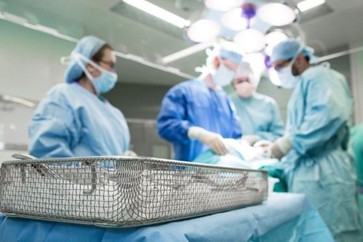
We are leading an international study investigating if new techniques for monitoring inner ear hearing changes during cochlear implant surgery can improve the preservation of natural low-frequency hearing.
Everyone who takes part will have their hearing monitored during surgery. Participants are randomly assigned to one of two groups. In one group, the surgery proceeds as usual. In the other, if a change in hearing is detected during electrode insertion that may indicate damage, the surgeon will make a small adjustment the way the implant electrode is being inserted to see if hearing can be recovered.
Why is this important:
The study will help us understand if responding to monitoring during surgery leads to better hearing outcomes once the implant is switched on.
Preserving natural low-frequency hearing may also allow more people to benefit from combined electric acoustic stimulation (EAS), which can provide a fuller and more natural sound quality.
You may be eligible to join if you:
- Are 18 years or older
- Are awaiting surgery for an Advanced Bionics cochlear implant
- Have good low-frequency hearing
Please contact Sophie or Susan to learn more
Improving hearing for cochlear implant listeners study:
Updated date: May 2026
Improving hearing for cochlear implant listeners study
Cochlear implant research at the MRC Cognition & Brain Sciences Unit, University of Cambridge.

About the study:
Do you use a cochlear implant (CI) to hear? If so, you may wonder why sounds such as speech or music can be hard to make out when there are other people talking or when interfering sounds are present. Our study explores the reasons for this and aims to develop solutions. To do so we use special software and equipment to bypass the normal CI speech processor and present carefully designed sounds to the participant. To work out how your ear and brain process these sounds, we ask you to make simple judgements (such as “which sound has the highest pitch?”) or record your brain responses using electrodes that we painlessly place on your head (a bit like wearing a shower cap).
Why is this important:
The study will help us understand why speech and music is sometimes difficult to understand through a cochlear implant, and to design new solutions that we hope will allow patients to hear better.
You may be eligible to join if you:
- Are 18 years or older
- Have a cochlear implant in one or both ears
Please contact the research team to learn more
Speech & Music Sound Quality study
Updated date: May 2026
Speech & Music Sound Quality Study
Speech & Music study: Effect of frequency-to-place factors on sound quality.
About the study:
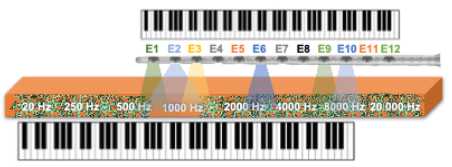
Hearing may differ between people with cochlear implants, for example in terms of sound quality and music perception. Some studies suggest that these differences may be related to the position of the electrodes within the cochlea and how the auditory nerve responds to cochlear implant stimulation. As part of this research project, we are interested in understanding how these factors relates to perceived sound quality, for speech and music, using innovative testing procedures.
Why is this important:
Understanding these factors can help clinicians better identify and address the specific challenges each patient faces in daily life - including the often-overlooked challenge of music appreciation.
The ultimate goal is to support more personalised cochlear implant care, helping users get the most from their implant and, for some, rediscover the pleasure of listening to music.
You may be eligible to join if you:
- Are 18 years of age or older
- Are a cochlear implant user
Please contact the research team to learn more
ENT and Audiology Research
Updated date: May 2026
STARFISH
Steroid Administration Route for Idiopathic Sudden Sensorineural Hearing Loss (ISSNHL)

Why is this important:
This study aims to establish the most effective first line and cost-effective steroid treatment route for patients with sudden hearing loss. The trial investigates three methods of steroid delivery; oral, intratympanic injection or a combination of both. The trial seeks to improve hearing recovery rates and establish the best care pathway for patients facing sudden deafness.
You may be eligible to join if you:
- Are 18 years of age or older
- Have recently experienced sudden sensorineural hearing loss
Please contact Sophie in the research team if you are interested to learn more
Bone conduction devices in minimal air-bone gaps
About the study:
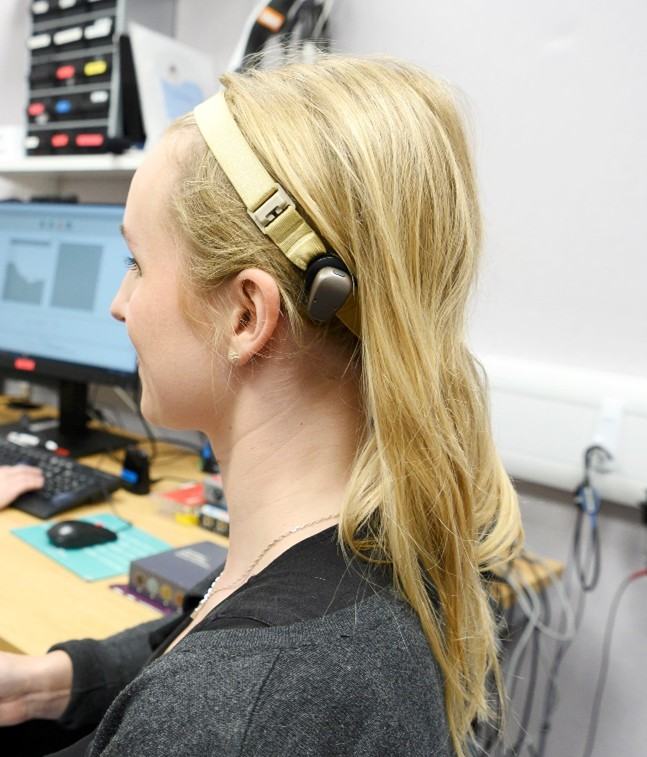
Bone conduction devices (BCDs) are hearing aids which are given to people with a mixed or conductive hearing loss to improve their hearing. These devices deliver sounds to the patient by sending vibrations through the skull to stimulate the hearing organ. This study is looking to see if patients with a smaller degree of mixed or conductive hearing loss than would normally be considered for a BCD also benefit from a BCD when we compare their speech understanding with their conventional hearing aid.
Why is this important:
This study will help us understand the best management for patients with a small conductive component to their hearing loss.
You may be eligible if you:
- Are 18 years of age or older
- Currently use air conduction hearing aids
Please contact Sophie in the research team if you are interested to learn more.
University of Cambridge Hearing Labs:
Updated date: May 2026
2. Publications
Have you recently taken part in one of our research studies? Key outcomes and next steps are detailed below: