A mother of five says participating in research “saved her life” after an inflammatory bowel disease (IBD) study led to her being diagnosed with womb cancer. Following successful surgery, she is now cancer-free and recently got married.
Victoria Thurston (née Wilson), 51, was diagnosed with ulcerative colitis, a form of IBD, in 2017. She volunteered to join a research study in the hope of helping others with the digestive condition.
Investigation of Victoria’s genes as part of the research showed she has Lynch syndrome, which increases her risk of cancer. After seeking guidance from clinicians at Cambridge University Hospitals NHS Foundation Trust (CUH), Victoria chose to have a hysterectomy to help reduce her cancer risk.
It was during preparation for this surgery that doctors found an early-stage womb cancer that could have gone undetected had Victoria not participated in the research.
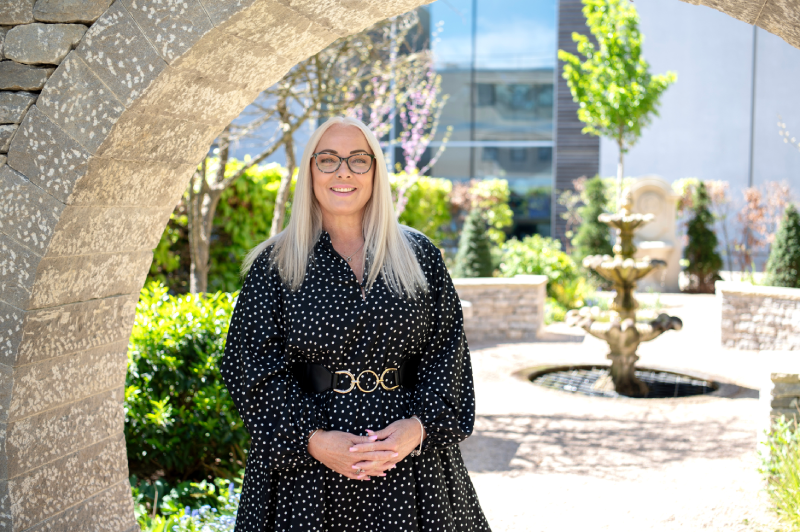
I still can’t believe that a research study about a digestive condition led to my early diagnosis of womb cancer. Signing up to that study is one of the best decisions I ever made. Without the study, I don’t know when I would have found out about my cancer. I encourage everyone to take part in research studies, it could save your life.
Victoria
Victoria shares her story
Link: https://www.youtube.com/watch?v=vzJ8mY2B2Kk
Victoria’s genes were studied through IBD BioResource (opens in a new tab), a national research platform created in 2016. It is part of the National Institute for Health and Care Research (NIHR) BioResource.
Find out how to get involved in research by being part of the NIHR BioResource
Lynch syndrome increases risk of many cancers, particularly bowel and womb cancers, as well as ovarian, stomach and pancreatic cancers. Around 1 in 400 people are thought to have the syndrome, of which up to 80% will go on to develop bowel cancer, while up to 60% of women will develop womb cancer.
Lynch syndrome is an inherited condition, and Victoria’s diagnosis means that many of her close relatives, including her children, can have testing for the condition.
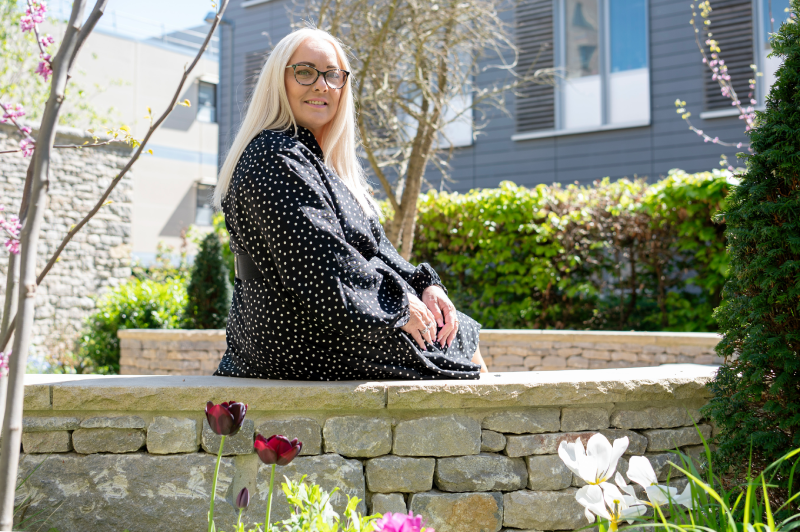
I’d never heard of Lynch syndrome before, but it makes a lot of sense when I look back at my family history. I’m glad they found it and I want to support my family to get tested too. It’s important to find out about these things when you get the chance so you can do something about them.
Victoria
Following her diagnosis, Victoria met with specialist doctors in genetics and women’s health at Addenbrooke’s Hospital in Cambridge to learn more about Lynch syndrome. Her increased cancer risk meant that she chose to have a preventative hysterectomy to remove her womb and ovaries. It was during tests before the surgery that the team at Addenbrooke’s found the cancer in Victoria’s womb.
Nothing prepares you for a cancer diagnosis but the team were fantastic and very reassuring. They could tell me right away that they’d found it early and that it would be easy to treat. We already had the surgery planned anyway, and there was no need for any additional treatments.
Victoria
Due to Victoria’s complex medical history, her hysterectomy involved both gynaecological and gastrointestinal surgical teams led by Ms Helen Bolton and Mr James Wheeler respectively.
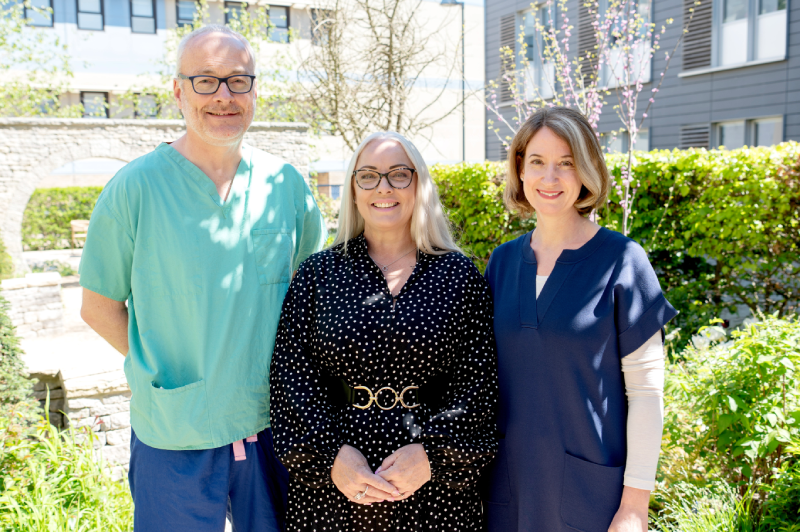
Our team found Victoria's cancer during routine tests that are performed for women with Lynch Syndrome prior to hysterectomy. This meant we could be confident we were offering the correct surgical treatment for her.
The cancer we found was at a very early stage, meaning we were confident it could be completely removed as part of the hysterectomy. Cancers like this can grow undetected, so Victoria was very fortunate that she chose to have the surgery at this time.
Ms Helen Bolton, consultant gynaecology surgeon at CUH
Victoria had a hysterectomy in January 2026 and has recovered well. She continues to be seen by teams at Addenbrooke’s but is now cancer-free. Her Lynch syndrome diagnosis means she will receive regular cancer screening to help detect any other cancers in the future.
She said: “It’s been a difficult year for me and I’m so relieved that it’s finally over. I’ve had fantastic support from the hospital and my family and I’m looking forward to a brighter time ahead."
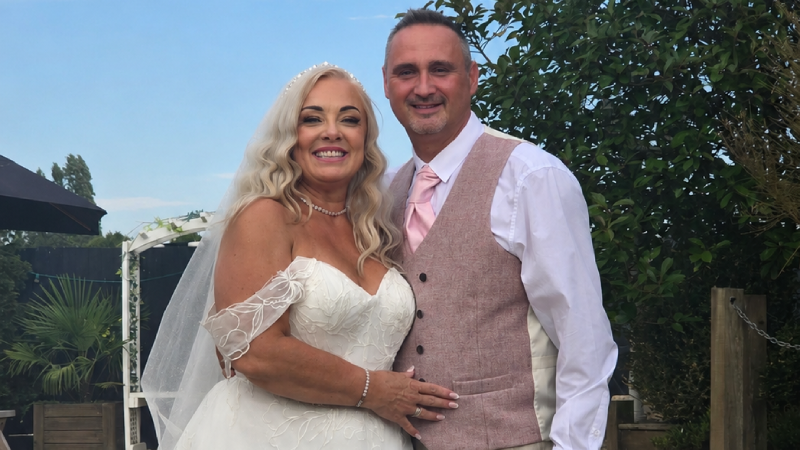
I just married my wonderful husband Mark. We had a Hollywood glamour theme and going out to buy the dress was one of the things I was most excited about after the surgery!

Victoria has three adult sons and two teenage daughters. She developed IBD symptoms in 2016 and was referred from her local hospital to Dr Stephen Moss at CUH in 2019. Her illness was extensive and she underwent multiple major surgeries including removal of her large intestine. Addenbrooke’s Hospital is a specialist centre for colorectal surgery.
When it opens, the Cambridge Cancer Research Hospital will bring research and clinical care together in one building, helping more people to get diagnosed and treated early. By embedding cutting‑edge research directly into NHS care, the Cambridge Cancer Research Hospital will bring internationally recognised cancer expertise within reach for patients across the region.
The IBD BioResource is led by Professor Miles Parkes, a consultant gastroenterologist at CUH. It aims improve clinical care for people with Crohn’s disease and ulcerative colitis by building on the latest scientific discoveries. More than 50,000 patients from over 100 hospitals across the UK have so far donated samples and data.

The IBD BioResource is a vital research tool that is helping us to learn more about Crohn’s disease and ulcerative colitis leading to better treatments. We wanted to ensure participants benefit directly from our research, and I am delighted that the team’s hard work has made a difference for Victoria and her family. We are grateful to everyone who participates in the BioResource and helps make discoveries that improve care.
Professor Miles Parkes is also Director of the NIHR Cambridge Biomedical Research Centre (BRC)
Victoria’s Lynch syndrome diagnosis came after she agreed to participate in a small pilot project that meant the research team could notify her if their genetic analysis revealed information that could be relevant to her health. The project was setup with the support of patients and is a partnership between the NIHR BioResource and NHS Genomic Medicine Services. Victoria was among the first group of patients to take part.
Victoria’s genes were analysed at the Wellcome Sanger Institute. Her diagnosis of Lynch syndrome was identified by the IBD BioResource team and confirmed by the regional genetic testing service, NHS East Genomics.