An Addenbrooke’s Hospital service which helps frail older people receive specialist care in the familiar surroundings of their care home is significantly reducing admissions to hospital.
Research published today in Age and Ageing suggests the service, which involves hospital geriatricians assessing residents in care homes, has reduced hospital admissions by just under a quarter and the time spent in hospital by a third, saving 1,300 inpatient bed days a year.
Care home residents can live with frailty and multiple chronic health conditions, but hospital can sometimes be a distressing environment and can leave them vulnerable to physical and cognitive decline.
VIDEO: hear how the service has helped care home residents like Clifford to avoid time in hospital
Link: https://youtu.be/mQqx7gpZkyQ
It’s been so reassuring for me and my family to be on the receiving end of this service. It means by dad can stay in the comfort of his care home, away from an acute hospital environment, while still getting that specialist input and care. At Heathlands House, he is settled, stable and happy. He’s not needed to go to hospital since and that’s because of the advanced care and support he now has in place.
Alice Craske
The Enhanced Reviews in Care Homes (EnRICH) service was developed by clinicians at Cambridge University Hospitals NHS Foundation Trust (CUH) to address an increasing population with complex health needs.
Cambridge has seen a rise in population of 18% over the past decade – compared to 6% nationally - and is set to grow by 60% by 2040. Across the East of England, over 75s are projected to be the fastest growing group.
While care home residents represent 1% of the population, they make up 8% of hospital admissions.
Providing specialist care in the community
EnRICH aims to enhance existing primary care services, with hospital geriatricians working alongside GPs, community nurses, community pharmacists and care home staff, to support residents and their families.
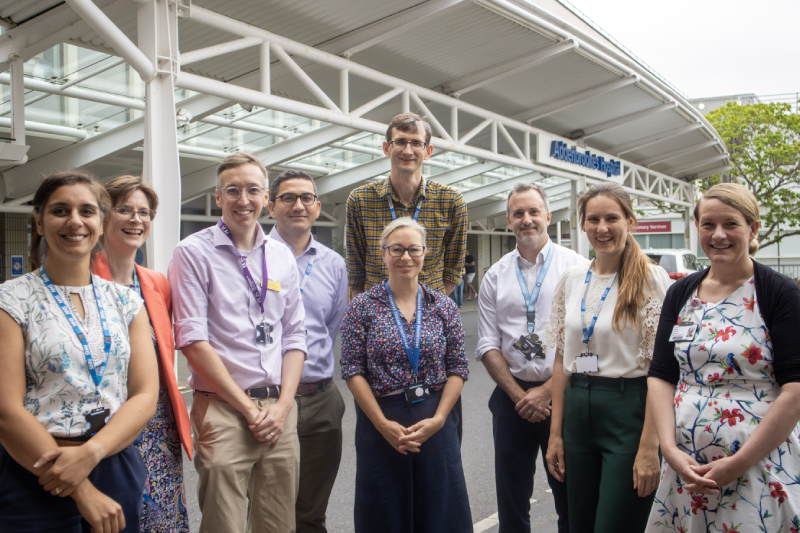
It provides specialist expertise direct to care homes. The service includes regular assessments, rapid clinical support if residents become unwell, and continuity of care with the same geriatricians caring for residents if they do need to be admitted to Addenbrooke’s.
The evaluation assessed the impact at 11 care homes in Cambridgeshire over more than 12 months. The results, which included analysis of more than six thousand emergency department attendances, showed a 23% reduction in hospital admissions following the start of the EnRICH service and 32% reduction in length of stay for care home residents, shortening average length of stay by nearly three days.
EnRICH aligns with the Government’s 10 Year Health Plan for England and CUH’s new strategy, which includes providing personalised care closer to patients’ home.
This innovative service improves the quality of care for some of our frailest patients, enabling them to access specialist support without leaving the familiar surroundings of their care home. It takes a proactive, preventative approach, helping residents before they get to hospital. Through assessments and conversations in the care home with residents and their families, we can work alongside our primary care colleagues to have a plan in place for residents to help reduce time spent in hospital.
Dr Matthew Butler, consultant geriatrician at CUH
The impact of EnRICH on residents
Alice Craske’s 96-year-old father, Clifford, lives at Heathlands House residential care home in Cambridge. A retired architect, Clifford has multiple health issues including dementia, heart failure, diabetes, COPD (progressive lung disease) and previously had a stroke.
In the year before the EnRICH service started at Heathlands House, Clifford went to hospital three times. Since then, his care has been managed in the care home, with support and guidance from the hospital geriatricians.
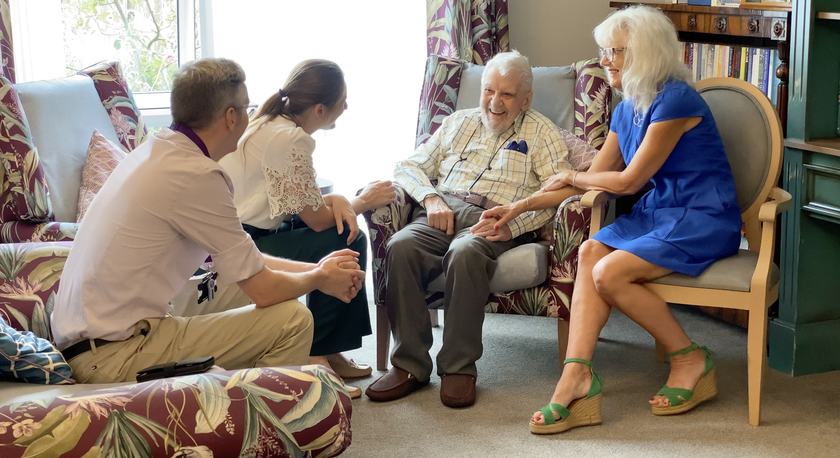
Alice, a 66-year-old retired nurse, said: "It’s been so reassuring for me and my family to be on the receiving end of this service. It means by dad can stay in the comfort of his home, away from an acute hospital environment, while still getting that specialist input and care. At Heathlands House, he is settled, stable and happy. He’s not needed to go to hospital since and that’s because of the advanced care and support he now has in place."
Alice’s mother, Pam Craske, also lived at Heathlands House before she passed away in September 2025. The 93-year-old was admitted to Addenbrooke’s shortly before she died and was seen by Dr Catriona Love, one of the geriatricians working with the care home.
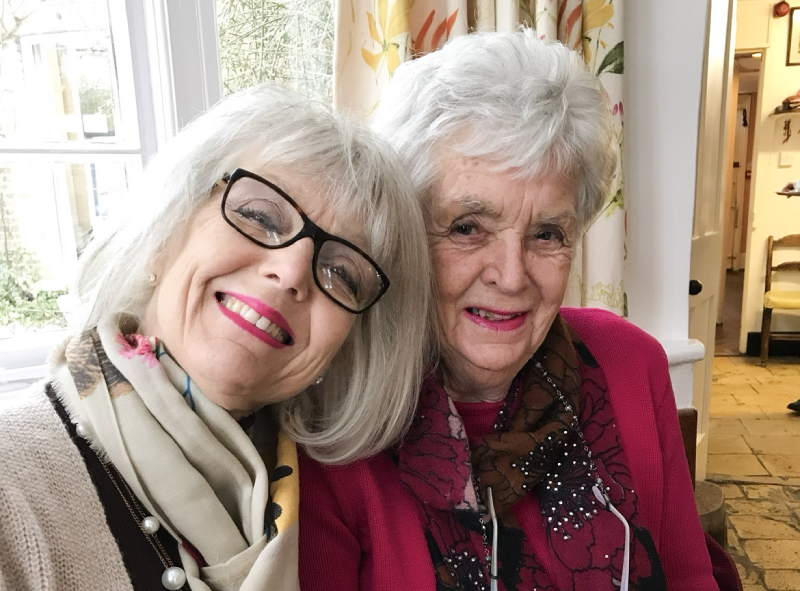
When we got to the emergency department, Dr Love was there waiting for us. The continuity of care while my mum underwent tests and before she was transferred to a hospice was superb. When you’re frail and vulnerable, it can be frightening going to hospital, but for my mum seeing a familiar, friendly face made such a difference.
Alice
The impact of EnRICH on care homes
The research highlighted that benefits from the service began to emerge after three months, as relationships between hospital and community teams developed and strengthened.
Heathlands House was one of the first care homes where EnRICH was introduced in October 2024. It offers residential, dementia, nursing, respite and end of life care to 64 residents.
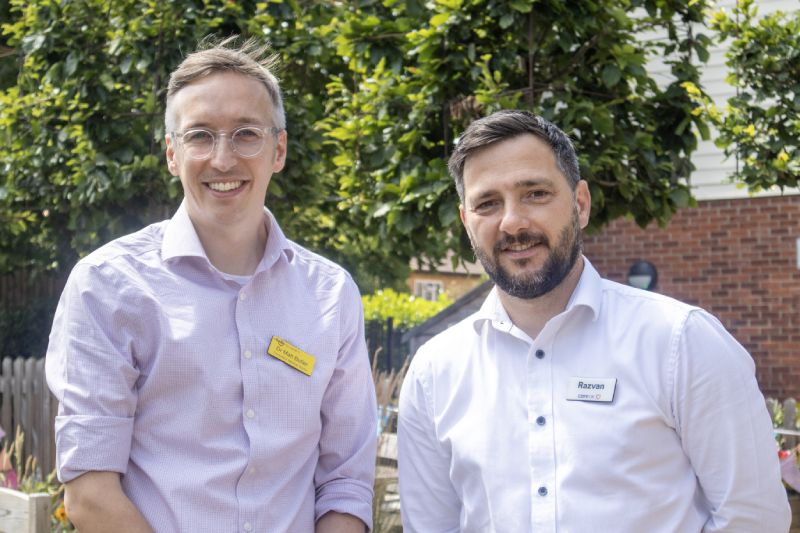
The impact of the service over the last 14 months has been enormous. We are a family here, so it is upsetting if any resident is admitted to hospital. However, the specialist input from the EnRICH team has enhanced the care we provide. Our colleagues feel more confident and more empowered to provide even better care for residents.
Razvan Stanbeca, manager of Heathlands House
A growing challenge
The needs of the population CUH serves are changing and the EnRICH service helps address this pressing challenge.
Following its initial success, the service has now expanded to 15 care homes with the highest frequency of hospital admissions in Cambridgeshire, funded by the NHS Central East ICB (Integrated Care Board.)
As well as demonstrating improved experiences for residents and their families, the evaluation highlighted that around 1,300 inpatient bed days were saved annually, an estimated cost-saving of £700,000.
EnRICH is illustrative of CUH’s new strategy, which sets out how the Trust’s priorities to transform how and where care is delivered to meet the needs of patients now and in the future. It aims to organise care and expertise around patients, so they can access support earlier and where possible within their local community.