
Cambridge University Hospitals NHS Foundation Trust (CUH) is proud to be part of a new £20 million research hub centred on the Cambridge Biomedical Campus. Funded by the Medical Research Council, the hub aims to transform the development of new medicines using advanced lab models and AI.
By using models more closely based on human tissues and disease, the Hub aims to improve the translation of lab-based research into new medicines, while also furthering efforts to reduce dependence on research involving animals.
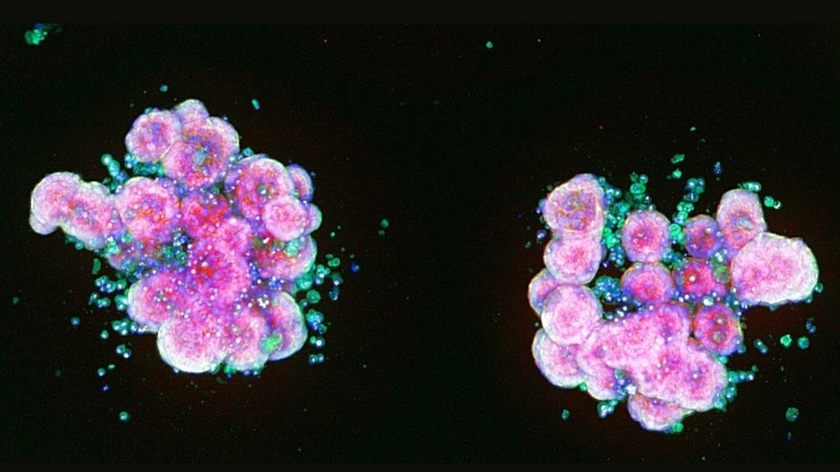
Known as the MRC pre-clinical translational models hub, it will bring together expertise in advanced lab-based models – including lab grown mini-organs called ‘organoids’ and other stem cell-based systems – AI-powered approaches, bioengineering and clinical research to create more accurate ways to study, predict and develop treatments for human diseases before they are trialled in patients.
Patient-derived models have enormous potential to transform the way we understand disease and develop new medicines. By capturing important characteristics of individual patients, these human models allow us to study disease more accurately and test potential treatments before they reach the clinic. This could ultimately lead to more effective, personalised therapies while reducing the time and cost of drug development.
Professor Matthias Zilbaur, Hub co-lead, CSCI group leader and honorary consultant at CUH
New medicines are extensively researched in labs before starting clinical trials in humans. This helps to ensure they are safe and effective. The hub aims to create new models that will better predict how patients will respond to treatments.
Too many medicines that work in animals go on to fail in people. The Preclinical Translational Models Hub will allow scientists to test treatments on human tissue, grown from patients' own cells, so we can tell much earlier what will genuinely work.
By opening that technology up to researchers, the NHS and companies across the country - and backing ten British projects developing the next generation of safety tests - we are bringing the end of animal testing closer while creating the high-skilled jobs and growth that benefit people in every postcode.
Chris McDonald, UK Minister for Science, Research and Innovation
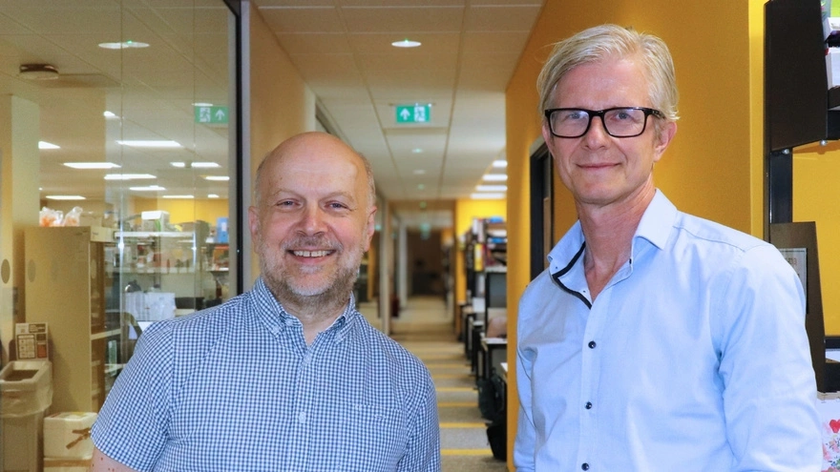
The Hub will be led by Professor Matthias Zilbauer, Honorary Consultant at CUH and Group Leader at the Cambridge Stem Cell Institute (CSCI), University of Cambridge, and Professor Bertie Göttgens, Director of the CSCI.
By bringing together hospitals, research institutes and industry partners in Cambridge and across the UK, the Hub will accelerate the development and use of new, more accurate research tools that better reflect human biology to improve the development of new therapies.
By combining expertise in stem cell biology, advanced human models and artificial intelligence, the UK Pre-clinical Translational Models Hub will accelerate the development of the next generation of predictive disease models. Working with our academic, NHS and industry partners, we aim to deliver better approaches for developing new treatments while reinforcing the UK’s global leadership in this field.
Professor Bertie Göttgens, Hub co-lead and Director of the Cambridge Stem Cell Institute
Many of the technologies the Hub will develop are already extensively used in research. The Hub will work closely with partners to create a national accelerator platform that will advance these technologies to provide the quality of evidence needed to support the translation of therapies from the lab into the clinic.
In addition to CUH and the Cambridge Stem Cell Institute, key partners in the Hub include the Wellcome Sanger Institute, MRC-Laboratory of Molecular Biology (MRC-LMB) and Royal Papworth Hospital NHS Foundation Trust.
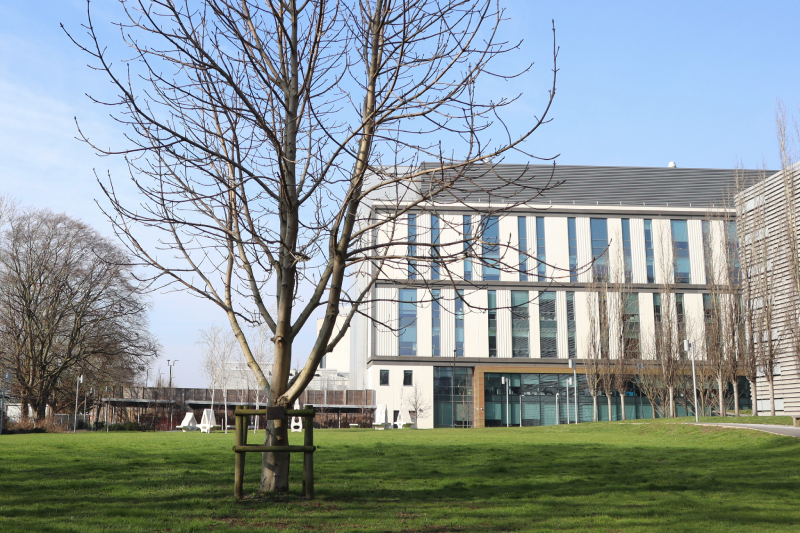
Based at the CSCI facilities in the Jeffrey Cheah Biomedical Centre on the Cambridge Biomedical Campus, the Hub will benefit from close proximity to NHS partners, the MRC-LMB, AstraZeneca’s Discovery Centre, GSK’s Clinical Unit and other leading research and industry organisations. This unique environment will enable collaboration across disciplines and help accelerate the translation of scientific discoveries into real-world impact.