

This information sheet is for parents/carers looking after children with severe insulin resistance and/or lipodystrophy.
What is Severe Insulin Resistance?
Insulin is a hormone that travels in the bloodstream, made by the pancreas. It controls how the body uses sugars and fats and is essential for life. People vary in how sensitive the tissues of their body are to insulin. For some people a very small amount of insulin produces a large change in blood levels of glucose and fat (known as insulin sensitive), while others need much larger amounts of insulin to produce the same change (known as insulin resistance). Although many with severe insulin resistance go on to develop diabetes, severe insulin resistance is not the same as diabetes. As long as the pancreas can produce enough insulin to overcome the insulin resistance, diabetes does not develop.
The most severe insulin resistance results from genetic alterations in the gene for the insulin receptor. The other major genetic cause of severe insulin resistance is associated with abnormal fat distribution also known as ‘lipodystrophy’. In these conditions a healthy diet and lifestyle appears to be particularly important.
What is lipodystrophy?
Children with lipodystrophy do not have enough fat tissue under their skin. Fat tissue is normally where we store any excess calories that are eaten, as a fatty substance called ‘triglycerides’. Therefore if more energy is eaten than needed, it will be stored as fat in areas where it shouldn’t usually be stored, such as around the liver leading to fatty liver and subsequent metabolic problems such as diabetes, cirrhosis of the liver, and pancreatitis (inflammation of the pancreas).
What type of diet should my child follow?
To reduce the risk of developing these problems, your child will need to follow a healthy balanced diet which is low in fat, and low in calories (energy). The diet will seem similar to one they would follow if they were overweight, which may seem strange if your child appears slim or is a healthy weight.
Fat tissue also makes a hormone called leptin, which is involved in appetite regulation. If there is less fat tissue, there is less leptin being produced, which means children with lipodystrophy can have a large appetite, which can make following a healthy diet quite challenging. This leaflet is designed to help parents provide their child with a healthy balanced, low fat diet which is also varied and interesting.
If your child’s fat intake is reduced too much, there is a risk that their growth will be affected. Therefore, height and weight should be monitored regularly and your child assessed for normal growth. Your dietitian will be able to calculate the minimum amount of fat your child needs per day and work with you to provide an appropriate diet plan.
Weight
If your child is overweight, it is important to avoid further weight gain. We do not recommend rapid weight loss, as your child will still have some growing to do. Aim for weight stabilisation so that your child can then grow into their height. If your child is a healthy weight or slim, it is recommended they avoid too much weight gain and continue to maintain a healthy weight. Ask your dietitian if you are unsure if your child is a healthy weight.
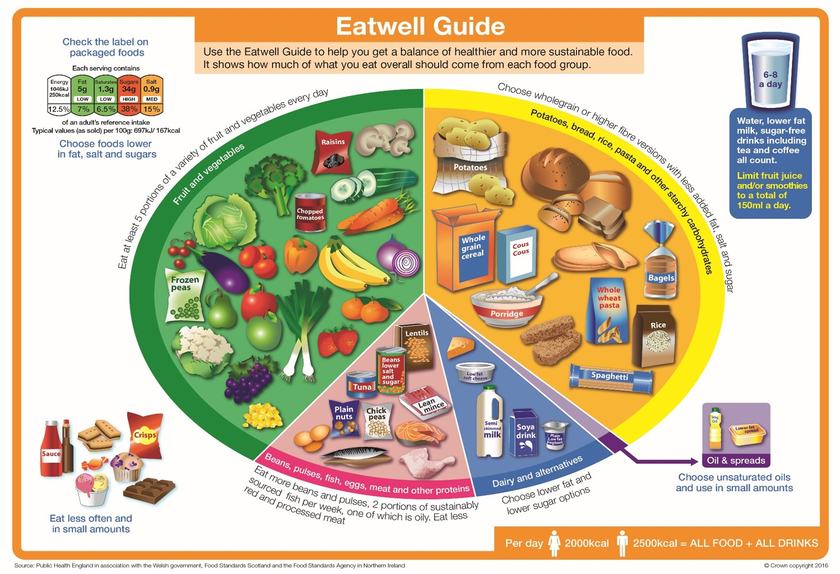
Dietary fat
Dietary fat is a rich source of calories, so cutting down on the fat in your child’s diet will reduce their energy intake. However, it is important not to replace high fat foods with high sugar foods, as additional calories from sugar or any food will also be converted to fat. Instead, encourage your child to eat lean protein, starchy high fibre carbohydrates and plenty of fruit and vegetables. It is also important to spread fat intake out throughout the day rather than having one large high fat meal.
Although children with insulin resistance do not have the same problems with fat distribution as children with lipodystrophy, following the advice given in this leaflet will be very beneficial for their continued health.
Fats can be grouped into two groups:
- Saturated
- Unsaturated.
It is important to avoid too much saturated fat in the diet as this can potentially lead to health problems. Sources of saturated fats include visible fat on meat, butter, cheese, cream, lard, pastry, sausages and burgers.
Unsaturated fats are much healthier and include vegetable/olive oils and spreads, oily fish, avocado, nuts and seeds. Where possible, try to swap saturated fats for unsaturated fats, and choose reduced fat spreads.
Cooking tips to reduce fat content of meals
- Trim off visible fat from meat, such as bacon rind or chicken skin.
- Drain off the fat when cooking mince and choose leaner varieties.
- Grill or oven bake rather than frying or deep fat frying.
- Use a spray oil, rather than pouring oil which will help use less.
- Use non-stick pans and trays which will help reduce the need for oil.
- Avoid using the fat from meat to make gravy.
- Bulk out meat dishes with lentils, pulses and vegetables to reduce the fat content.
Carbohydrates
Carbohydrates include starchy foods, for example potato, rice, pasta, bread and sugary foods such as sweets, chocolate, cakes and sugary drinks. When we eat carbohydrates, they are digested and absorbed as glucose into the blood stream.
Insulin is a hormone produced by the pancreas (a small organ behind the stomach) which moves glucose from the blood stream into the body cells where it is used for energy. Your child may have reduced sensitivity to the hormone insulin due to their condition. If the insulin doesn’t work properly, the glucose can build up in the blood stream and can lead to a condition called diabetes.
However, carbohydrates are still an important part of the diet as they are the main supply of energy which your child needs to grow.
It is important to choose the right types of carbohydrate and spread them equally throughout the day. We suggest avoiding having more than one carbohydrate portion with each meal, for example avoid having bread and pasta together. A good guide is to use your child’s fist size as the right portion for them.
Types of carbohydrate
Choose slower release carbohydrates as these will have less effect on blood glucose levels and put less strain on the pancreas. These include: wholegrain cereals, wholemeal or granary bread, basmati rice, pasta (white or whole wheat), fruit and vegetables, lentils, pulses, and oats.
Faster release or sugary carbohydrates to avoid include: instant noodles, white bread/baguettes, mashed potato, sweets, biscuits, cakes, refined cereals such as puffed rice, cornflakes, frosted or sugary cereals, chocolate cereals, and sugary drinks.
Healthy snack ideas
- Chopped up cucumber, carrots, peppers, cherry tomatoes – with salsa or low fat hummus.
- Breadsticks with salsa/hummus.
- Wholewheat pitta bread or rice cake with thinly spread reduced fat olive based margarine/ ham/low fat cheese spread/low fat cottage cheese/thinly spread jam.
- Low fat, plain or diet yoghurt or sugar free jelly.
- Plain popcorn (avoid the toffee or buttered varieties).
- Boiled egg with soldiers.
- Small bowl of wholegrain cereal with skimmed milk.
- Low calorie hot chocolate powder made with water.
- Glass of skimmed milk.
- Portion of fruit (fits in the palm of hand).
Try to help your child by not having unhealthy snacks in the house, to avoid the temptation to eat them; it will benefit all of the family to avoid them! Encourage your child to eat fruit as a snack. Always have a well-stocked fruit bowl available for the whole family to enjoy.
Suggested dietary changes for a child with lipodystrophy and Severe Insulin Resistance
| Foods to avoid | Suitable alternatives |
|---|---|
| Foods to avoid Dairy - Whole milk, cream, full fat yoghurt, ice cream, cheese, cream cheese, crème fraiche | Suitable alternatives Skimmed milk, plain/diet yoghurt, low fat cottage cheese, half fat cheese, light/very light cheese spread |
| Foods to avoid Fish – Deep fried/battered fish | Suitable alternatives Tinned/fresh tuna, prawns, baked/poached/grilled white fish, such as haddock, sole, plaice, cod. Oily (recommended once a week), for example sardines, mackerel, kippers, salmon (tinned or fresh) |
|
Foods to avoid
Meat and poultry – Visible fat (bacon rind, crackling, skin), salami, meat paste, processed meats such as sausage rolls, pasties, pepperoni, sausages/burgers |
Suitable alternatives
Turkey, chicken, beef (lean topside), lean lamb, pork, lean mince, thinly sliced ham. Also use beans, pulses, lentils and vegetables to bulk out curries, stews and pasta sauces! |
| Foods to avoid Fats – Butter, full fat spreads, lard, suet | Suitable alternatives Small amounts of vegetable/olive based oils and spreads |
| Foods to avoid Starchy carbohydrates - Pastry, deep fried chips, sugary or chocolate based cereals | Suitable alternatives Pasta, basmati rice, wholegrain rice, boiled/mashed/steamed potatoes, low fat oven chips, wholegrain cereals |
| Foods to avoid Bread – cheese topped rolls, white bread, baguettes | Suitable alternatives Granary, rye, wholemeal bread, sour dough bread |
| Foods to avoid Puddings – Cakes, biscuits, creamy desserts, ice cream, cheesecake | Suitable alternatives Sugar free jelly, tinned fruit (with juice/syrup drained), meringue, sorbet, ice lollies, fruit salad, low fat milk puddings |
| Foods to avoid Fruit – Tinned fruit in syrup | Suitable alternatives All varieties fresh or frozen fruit, tinned fruit in juice (with juice drained off), handful of dried fruit |
| Foods to avoid Sauces Salad cream, mayonnaise, high fat/creamy salad dressings | Suitable alternatives Ketchup, pickle, brown sauce, vinaigrette salad dressings |
| Foods to avoid Drinks –Milkshakes or smoothies made with ice cream | Suitable alternatives Sugar free squash, fruit juice (one small glass a day), semi-skimmed or skimmed milk, light hot chocolate drinks made with water (such as Options, Highlights), fruit +/- low fat yoghurt smoothies |
| Foods to avoid Miscellaneous – Lemon curd, peanut butter, chocolate spread, sugar, golden syrup, honey, jam, marmalade | Suitable alternatives Reduced sugar jam/marmalade (spread thinly), marmite |
How can I encourage my child to eat healthily?
- Lead by example. If your child sees you making healthy choices, they are likely to do the same.
- Continue offering healthy foods, even ones they have refused – this will increase the chances of them trying it. Children’s tastes change over time, so persevere!
- Encourage your child to help you plan meals, do the shopping, and cook healthy meals together. This will increase their interest in food and health.
- Eat together as a family at the table with no distractions such as TV.
- Do not keep unhealthy foods in the house to avoid temptation.
- Do not use unhealthy foods as a reward as this will make that food even more desirable. Instead use non-food rewards such as a magazine, trip to the cinema/park.
- Use a sticker chart to help children achieve their five portions of fruit and vegetables a day.
Can we still eat out and have takeaways?
Following a low fat diet doesn’t mean you cannot eat out, it just means you need to be more aware of what your child orders to ensure they are continuing with a low fat diet.
Fast food restaurants
- Due to the limited availability of low fat foods, choose these types of restaurant less often.
- Encourage your child to choose chicken or fish based products as these tend to be lower in fat than beef, or consider a deli sandwich option (using wholegrain bread) or salad and request no salad dressing or additional mayonnaise.
- Ask for no mayonnaise in chicken breast burgers and choose ketchup or barbecue sauce for dipping rather than mayonnaise or creamy sauces.
- Choosing chips is a challenge. Buy a portion to share and add additional vegetable like chopped carrot sticks.
- Choose diet drinks rather than full sugar drinks, avoid milkshakes/energy drinks.
- Choose the fruit bag option for dessert instead of ice cream or cakes.
Italian foods
- If choosing pizza, aim to have a thin base/crust and avoid high fat meat toppings such as beef, pepperoni and sausage. If your child likes meat on pizza, try to encourage chicken as this is much lower in fat and add extra vegetables such as sweetcorn, peppers, mushrooms and tomato. Many pizza restaurants also offer a lighter option.
- If your child prefers pasta, encourage a tomato based sauce such as arrabbiata and avoid cheese/creamy sauces such as carbonara, lasagne, cannelloni.
- Try to avoid ordering additional side dishes such as garlic bread or dough balls.
Chinese foods
- Encourage your child to have steamed or stir fried dishes rather than deep fried dishes. For example, stir fried vegetable or chicken in black bean sauce.
- Avoid sweet and sour dishes as the meat is deep fried, fried chicken, beef and duck.
- Aim for boiled rather than fried rice or noodles.
Café/pub food
- Rather than a beef burger, suggest grilled chicken in a bun with a little tomato or barbecue sauce rather than mayonnaise.
- Try soup and a wholemeal roll or a jacket potato (no butter) with a filling such as vegetarian chilli, baked beans or cottage cheese.
- If your child is having a child’s meal and there is limited choice, request healthier substitutions such as a jacket potato or new potatoes instead of chips.
Indian foods
- Avoid creamy curries such as those made with coconut milk like korma and masala and try to encourage dry dishes or tomato based curries such as tandoori, bhuna and Rogan josh.
- Encourage vegetable side dishes (avoiding those that are made with ghee) and avoid deep fried sides such as samosas and bhajis and choose boiled rather than fried rice.
- Lastly, choose baked breads like chapatti and plain naan rather than peshwari and paratha and avoid having bread alongside rice dishes; try to have one or the other.
How to read food labels
Some food labels use red, amber and green colour coding on the front of the pack which makes it easier to choose foods that are lower in total fat, saturated fat, and sugar and salt. Choose more greens, fewer ambers and avoid any reds wherever possible. You can also look at the nutrition information on the back of the pack to look at the per 100g amounts. Use the following guide to help make healthier choices:
| All measures per 100g |
Low (A healthier choice) |
Medium (Okay most of the time) |
High (Just occasionally) |
|---|---|---|---|
| All measures per 100g Sugars |
Low (A healthier choice) 5g or less |
Medium (Okay most of the time) 5.1g – 22.5g |
High (Just occasionally) More than 22.5g |
| All measures per 100g Fat |
Low (A healthier choice) 3g or less |
Medium (Okay most of the time) 3.1g-17.5g |
High (Just occasionally) More than 17.5g |
| All measures per 100g Saturated fat |
Low (A healthier choice) 1.5g or less |
Medium (Okay most of the time) 1.6g – 5g |
High (Just occasionally) More than 5g |
| All measures per 100g Salt |
Low (A healthier choice) 0.30g or less |
Medium (Okay most of the time) 0.31g – 1.5g |
High (Just occasionally) More than 1.5g |
Physical activity
As well as following the recommended diet, your child will benefit from being as active as possible as this also helps stop fat being deposited in the wrong places and improves insulin sensitivity. Try to encourage around 60 minutes of exercise or physical activity every day, for example playing, walking, cycling, swimming, dancing or other sports. Try to incorporate regular activity into daily life, and become more active as a family. The exercise does not have to happen all at once, it can be split across the day.
Useful Websites
- Healthier Families (opens in a new tab) (recipes online/free smart recipes on App)
- Good Food (opens in a new tab)
- Contact free phone number if no internet access – 03001 234 567
Contacts/Further information
Your child’s paediatric dietitian is ..........................................................
Telephone: 01223 216655
We are smoke-free
Smoking is not allowed anywhere on the hospital campus. For advice and support in quitting, contact your GP or the free NHS stop smoking helpline on 0800 169 0 169.
Other formats
Help accessing this information in other formats is available. To find out more about the services we provide, please visit our patient information help page (see link below) or telephone 01223 256998. www.cuh.nhs.uk/contact-us/accessible-information/
Contact us
Cambridge University Hospitals
NHS Foundation Trust
Hills Road, Cambridge
CB2 0QQ
Telephone +44 (0)1223 245151
https://www.cuh.nhs.uk/contact-us/contact-enquiries/