
Trying to achieve the best possible glucose levels for pregnancy can feel challenging at times.There are certain actions that make a big difference to glucose levels and they are listed below.
It can be helpful to tick off any that you feel are going well, and then consider any others to focus on.
Eating the right type of carbohydrate
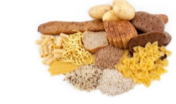
Different carbohydrates can have very different effects on blood glucose levels after eating. Choosing the right type of carbohydrate can make all the difference to keeping the 1 hour post meal glucose in target. Carbohydrates that are unrefined, high in fibre with a low glycaemic index (below 55) create a slower and lower rise in glucose levels after eating, making it easier to keep below the healthy pregnancy range of 7.8 mmol/l . The table attached lists the foods that most women find do not work well in pregnancy with better alternatives.
Eating the right amount of carbohydrate
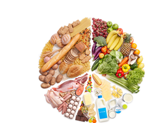
It is important to eat enough carbohydrate to provide enough energy and nutrition to support a healthy pregnancy. However, too much carbohydrate makes it impossible to achieve the post meal glucose targets. Carbohydrate is better tolerated when eaten in smaller quantities, spread over the day. It is helpful to eat small amounts at meals and include carbohydrate containing snacks between breakfast and lunch, and lunch and evening meal.
You may find the carbohydrate amounts below a good place to start.
Breakfast: 15-20g carbohydrate (for example 1 slice of bread topped with poached eggs)
Lunch and dinner: about 40-50g total carbohydrate (for example about 4 tablespoons cooked rice / pasta or 4 egg size potatoes with protein food and vegetables)
Mid-meal snacks: 5-15g carbohydrate (snack list shows ideas)
Getting breakfast right
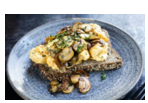
Helpful breakfast choices:
- 1 slice whole-wheat toast with a topping e.g. poached or scrambled eggs / mushrooms / tomato / cheese / ham / bacon / avocado.
- Or 1 small pot or portion yoghurt (less than 15g total carbohydrate) with one chopped portion of fruit or a cup of berries (top with nuts or seeds)
- Or 25g Jumbo porridge (whole oats) oats mixed raw with crème fraiche and 1 cup berries (top with nuts)
- Or 40g Jumbo porridge (whole oats) oats cooked with water and single cream added to taste
This breakfast option can be repeated 90 to 120 minutes later or you can have a carbohydrate snack.
Being active immediately after eating
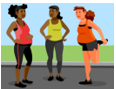
Being active for 15-20 minutes immediately after eating can make your post meal glucose level as much as 2mmol/L lower, and help achieve the post meal glucose range. This can be going for a walk, or being active around the house or workplace. Avoid being inactive immediately after eating.
Bulking up meals with more protein and vegetables or salad
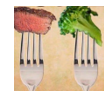
Eating more protein foods such as meat, fish, chicken, cheese, eggs, tofu, Quorn, pulses and filling up on vegetables will help you feel less hungry when eating smaller carbohydrate portions. These foods also limit the post meal glucose rise and so help achieve the post meal glucose range.
Avoid eating carbohydrate late in the evening
Eating your evening meal before 7.30 pm and keeping evening snacks carbohydrate free can make all the difference to achieving overnight and fasting glucose range.
Ways to consider carbohydrate portions

These tools can be helpful when regulating carbohydrate portions to keep your post meal glucose levels in range:
- Carbs & Cals book or app (Chris Cheyette & Yello Balolia, Publisher - Chello)
- MyFitnessPal App
- Food Labels: use the “total carbohydrate” amount when working out how much carbohydrate is in the food.
- Restaurant’s web sites: Nutritional information
Keep a food diary
Keeping a food diary can help you learn what meals and carbohydrate choices are working well for you to achieve the post meal glucose range. It can also help you see which choices are best avoided or need alternatives.
Snacks
Making snack choice healthy, high in fibre and avoiding refined forms of carbohydrate really helps keep glucose levels stable between meals.
Good types of carbohydrate snacks are: fruit, yogurt, wholewheat crackers & oatcakes with protein toppings. Additional lists are available from clinic.
□ If you are taking diabetes medications
- Metformin
This is best tolerated with food (ideally take with your first mouthful of food or immediately after eating); a maximum of 1g twice daily (2g total per day) can be taken. To reduce potential gastric side effects it is best to increase your doses slowly as guided by your diabetes team.
- Meal time insulin
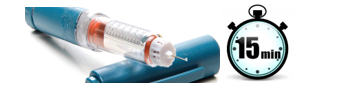
If you are taking meal time insulin this is best taken before you eat; ideally 15-20 minutes.
- Before bed insulin
It is helpful to take this injection at a similar time each evening.
Keep in touch
It is likely that your blood glucose levels will change as your pregnancy progresses. If you notice that you get 3 readings out of target at the same time of day and within a week, please sync your meter to the Glooko App and send us an email, so we can support you.
Email contact details:
- Gestational diabetes add-tr.camgdm@nhs.net
- Type 1 and type 2 diabetes add-tr.camdiabeteswh@nhs.net

Carbohydrate Choices
|
Food Type |
Refined carbohydrates to avoid |
Alternatives to replace with |
|---|---|---|
| Bread |
Refined carbohydrates to avoid All white breads including rolls, pitta, crumpet, croissant, panini, wraps, bagels, Baguette Naan / Paratha / chapati / roti (made with white flour) Bought sandwiches often have higher sugar content |
Alternatives to replace with Wholewheat, wholegrain, wholemeal varieties of breads Sourdough bread Ryebread Paratha / chapati / roti / puri / thepla if made with wholemeal flour Freezing bread first lowers impact on glucose |
| Rice / Pasta / Grains / Pulses |
Refined carbohydrates to avoid Short grain and sticky rice Ground foods such as ground rice / semolina / tapioca / cornmeal / tapioca: idli, fufu, pap, gari, banku, pounded yam Rice flour noodles: string hoppers Foods made with ground lentils: dosa, papadum, vada, idli |
Alternatives to replace with Basmati rice (rinse well before cooking) All pasta (Cooling rice, pasta and potato after cooking and then eating cold or re-heating fully will lower the impact on glucose) Bulgar wheat / couscous / quinoa Peas, beans, lentils |
|
Potatoes / root vegetables |
Refined carbohydrates to avoid Processed potato products: Oven chips / French fries / smiley faces / waffles / croquettes / frozen roast potatoes / instant potatoes Roasted parsnip may not work well Foods made with ground yam / plantain / cassava: gari, eba, pounded yam, amala, banku, vada |
Alternatives to replace with New and boiled potatoes are best Homemade wedges / chips / roast potatoes Small baked potato / mashed potato may be tolerated Sweet potato / yam / plantain and cassava if boiled, steamed or roast |
|
White flour-based foods |
Refined carbohydrates to avoid Cakes, rusk Biscuits Low fibre crackers and crispbreads e.g. cream crackers, water biscuits Pastry – pies, pasties, quiche, sausage rolls, spring roll, samosa, patties Yorkshire pudding, dumplings Breaded and battered foods – fish fingers, battered/breaded fish |
Alternatives to replace with Biscuits: plain wheatmeal digestives, plain hobnobs, Hovis, Nairn oat biscuits (one or two) High fibre crackers and crispbread: oatcakes, Ryvita |
| Fruit |
Refined carbohydrates to avoid All melon varieties, pineapple, mango Dried fruit including dates and prunes Tinned fruit in syrup |
Alternatives to replace with Apple, pear, orange, satsuma (1-2), plums (2), kiwi (2), small banana, grapes (10-12), peach, nectarine Berry fruits have the lowest impact on glucose: strawberry, raspberry, blueberry, blackberry. Make the most of when in season and buy frozen when not. Tinned fruit in natural juice – wash away the juice |
|
Yogurt and dairy |
Refined carbohydrates to avoid Chocolate mousse Chocolate / jam cornered or layered yogurt Most ice creams Sorbet Custard Condensed, evaporated milk Kheer |
Alternatives to replace with Yogurt: natural, Greek, fruit, Skyr or Scandinavian style fromage frais (Aim for less than 15g total carbohydrate per portion or pot) Cream and crème fraiche are carbohydrate free |
| Snacks |
Refined carbohydrates to avoid Sweets Mints Chocolate Processed savoury snacks: Hula Hoops, Skips, Quavers, Pringles, Baked crisps Puff puff, mandazi, baklava, Shakar Para, barfi, jalebi, Ladoo |
Alternatives to replace with 4 small squares of 70% cocoa solids chocolate Sugar free sweets or mints Natural or salted popcorn Savoury snacks: sliced potato crisps such as Walkers or kettle Vegetable crisps |
| Drinks |
Refined carbohydrates to avoid Fruit juice Vegetable juice Smoothies (even if home-made) Milk shake Hot chocolate Full sugar squash and fizzy drinks Sugar containing flavoured waters Coffees made with sugary syrups |
Alternatives to replace with Water Sugar free squash and sugar free fizzy drinks Tea and coffee made with a small amount of milk Fruit or mint tea Milky coffees (latte, flat white, cappuccino), glass milk – keep to between meals rather than with meals due to carbohydrate content Sugar free flavouring syrups can be used |
|
Sugar and preserves |
Refined carbohydrates to avoid Sugar, glucose, maltose, dextrose, treacle and syrup Jaggery Jam & marmalade (including “diabetic” varieties), honey, lemon curd, maple syrup, chocolate spread |
Alternatives to replace with Artificial sweeteners if a variety are used and in small quantities. Examples: Splenda, Sweetex, Hermesetas, Nutrasweet, Candarel, Stevia Nut butters such as peanut butter (without added sugar) Marmite, Vegemite |
| Ready meals, packets, jars and take aways |
Refined carbohydrates to avoid Some ready meals and sauces contain significant amounts of sugar, for example sweet and sour sauces, jar or packet Chinese sauces. Chinese takeaway, korma. Baked beans, tinned spaghetti |
Alternatives to replace with It can be helpful to keep some quick meals / foods handy for busy days: Sachets ready cooked basmati rice, quinoa, lentils Fresh pasta with sauce Pasta based ready meals can work well for glucose Frozen vegetables Tomato based curries Reduced sugar baked beans (drain off sauce) |
We are smoke-free
Smoking is not allowed anywhere on the hospital campus. For advice and support in quitting, contact your GP or the free NHS stop smoking helpline on 0800 169 0 169.
Other formats
Help accessing this information in other formats is available. To find out more about the services we provide, please visit our patient information help page (see link below) or telephone 01223 256998. www.cuh.nhs.uk/contact-us/accessible-information/
Contact us
Cambridge University Hospitals
NHS Foundation Trust
Hills Road, Cambridge
CB2 0QQ
Telephone +44 (0)1223 245151
https://www.cuh.nhs.uk/contact-us/contact-enquiries/