

Bladder cancer can develop anywhere in the bladder. The type of bladder cancer depends on where in the bladder the cancer starts. It is more common in men and in people over 60.
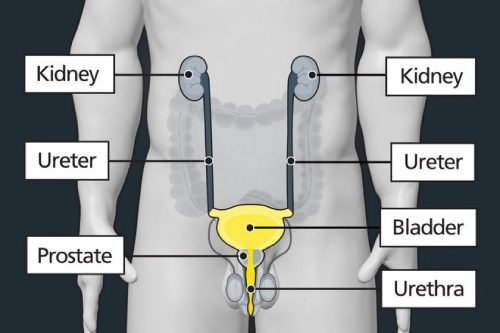
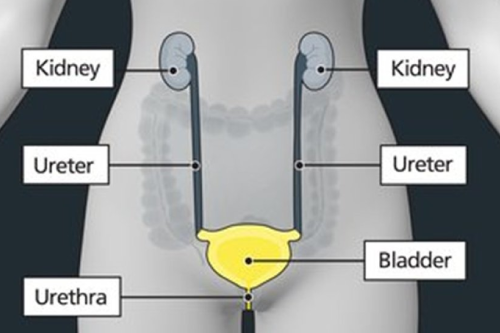
The bladder is a hollow, muscular organ that collects and stores urine (pee). It is part of the body system that filters waste products from your blood and produces urine. This system is called the urinary system.
In men, the tube that carries urine out of the body from the bladder (the urethra) passes through the prostate and along the penis.
Women have a shorter urethra that carries urine out of the body through a small opening in front of the vagina.
The most common symptom of bladder cancer is blood in your urine.
Other symptoms can include:
- pain, burning, stinging or itching when passing urine
- frequent urinary tract infections
- needing to pass urine more often
- needing to pass urine very suddenly
- loss of appetite and unintentional weight loss
- pain in the back or lower abdomen (tummy)
- aching, pain or tenderness in the bones
- feeling very tired for no clear reason and feeling generally unwell
There are several types of bladder cancer, and each is classified based on the type of cell in which it originates.
If the cancerous cells are contained within the lining of the bladder, doctors describe it as non-muscle-invasive bladder cancer (early bladder cancer). When the cancerous cells spread beyond the lining, into the surrounding bladder muscle, it is referred to as muscle-invasive bladder cancer (or invasive bladder cancer). This is less common but has a higher risk of spreading to other parts of the body.
The most common type is urothelial bladder cancer, also known as urothelial carcinoma or transitional cell carcinoma (TCC). It begins in the urothelial (transitional) cells that line the inside of the bladder.
Other, less common types of bladder cancer include:
- squamous cell carcinoma
- adenocarcinoma
- small cell bladder cancer
These develop from different types of cells in the bladder lining. They are usually muscle-invasive bladder cancers.
Treatment for bladder cancer at CUH
The treatment you have depends on several factors, which include:
- the type and size of the cancer
- where the cancer is located
- how aggressive (grade) and advanced (stage) the cancer is
- whether the cancer has spread
- your general health
A team of specialists at CUH (the multidisciplinary team) will meet to discuss your condition and to make a recommendation about the best possible treatment for you.
You, along with your clinician, will then discuss your treatment recommendations at the clinic appointment and decide on the right treatment plan for you. Your clinician will explain the different treatment options and possible side effects.
The treatment for bladder cancer can include:
- surgery
- chemotherapy
- radiotherapy
- targeted therapy
- immunotherapy
Several types of surgery can be used to treat bladder cancer. For example, you may have surgery to:
- remove the cancer from your bladder lining using a telescope
- remove part or all of your bladder and create a new way for urine to leave the body
- unblock the tubes that carry urine from the kidneys to the bladder (ureters) or the tube that carries urine out of your body (urethra)
You'll be supported through surgery and recovery by your specialist treatment team.
At times, you may require more than one treatment or a combination of different treatments to give the best chance of long-term cure. For some patients, treatment may be given with the aim of curing the cancer. For others, to help control the cancer, prolong life and improve symptoms.
Your clinical team will discuss with you what to expect and answer any questions you may have.