
Addenbrooke’s has welcomed an announcement it is to become one of the first pilot assessment and recovery centres (ARC) in a bid to boost the number of life-saving organ transplants.
Addenbrooke's is one of only 15 hospitals selected by NHS Blood and Transplant as pilot centres to preserve and assess donated organs, so more can be transplanted. If the pilot scheme leads to a full programme, it will enable up to 750 extra lifesaving and life-improving transplants a year – a 19 per cent increase on current activity nationally.
Cambridge University Hospitals (CUH) will perfuse livers and kidneys and nearby Royal Papworth Hospital will focus on lung perfusion.
Together these programmes mean Cambridge, alongside Newcastle upon Tyne, is one of only two pilot centres in the country offering perfusion for all three organs: liver, kidney and lung. This further strengthens the reputation of Cambridge Biomedical Campus as a leading centre for organ transplantation and innovation.
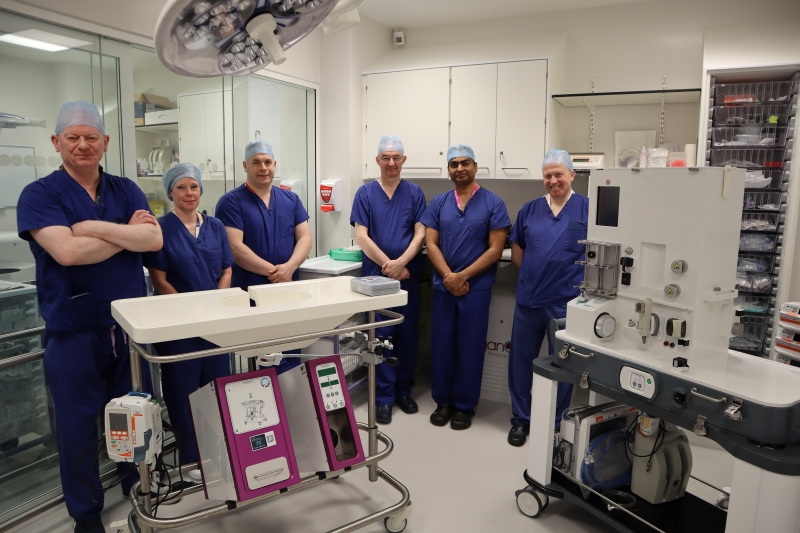
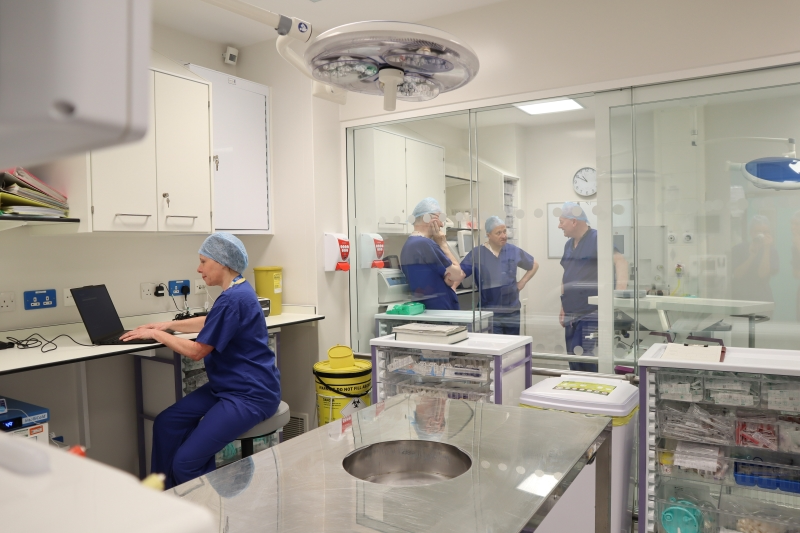
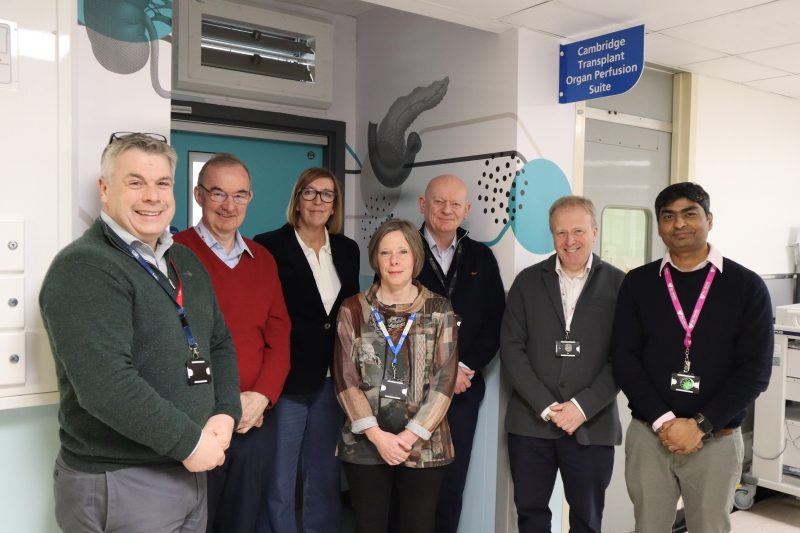
A dedicated perfusion suite at Addenbrooke’s opened last year and is the first of its kind in the UK. Situated next to main theatres, kidney and livers can be assessed and treated in a specialised environment before transplantation.
The suite streamlines the operating process, allowing teams to treat organs immediately and avoids interrupting surgical lists or waiting for an operating theatre to become available - benefitting theatre efficiency and organ preservation.
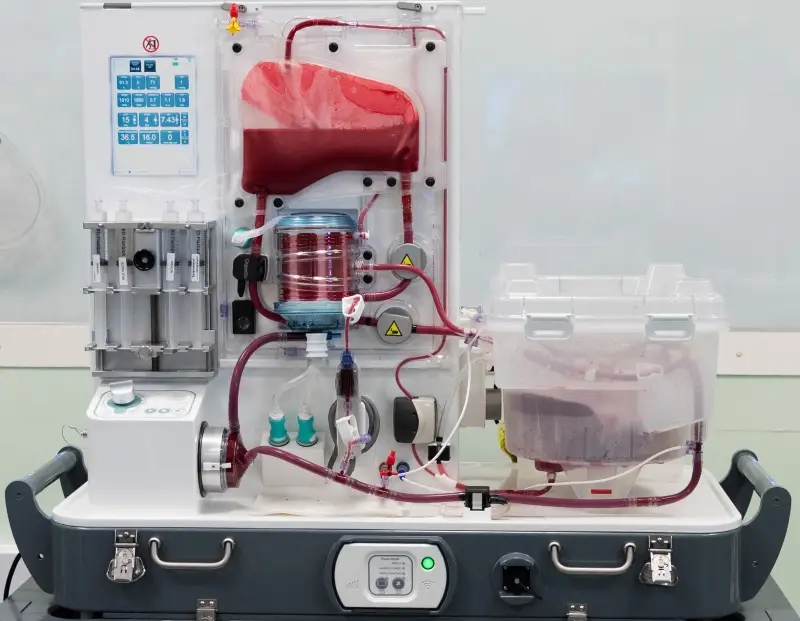
Perfusion machines work by recreating an environment around the organ that mimics the conditions inside the body into to thinking it is still in the body. A blood-based substance flows through the organ at body temperature, meaning it gets an oxygen supply and can consume nutrients.
Addenbrooke’s multi-visceral transplant lead, Mr Andrew Butler, welcomed the hospital’s ARC status, explaining that perfusion machines provide a greater opportunity accept multiple organs and match them to recipients. An example was a liver that was perfused for 32 hours before half of it was successfully used to assist a 15-year-old patient.
Mr Butler, who helped pioneer the perfusion technique, said:
Our greatest wish is to honour the gift from the donor by using it to save the life of another person. We are proud to have played a key role in the development of the perfusion machine, since it greatly improves the odds of achieving that goal and we are delighted to be selected as one of the ARC pilot sites.
Mr Andrew Butler, Addenbrooke's multi-visceral transplant lead, who helped pioneer the perfusion technique
CUH honorary consultant surgeon and University of Cambridge Emeritus Professor of Transplantation, Prof Chris Watson, who helped establish the liver perfusion programme, added:
The transplant unit has a very successful programme of organ perfusion which has enabled us to increase the number of liver transplants by a quarter since we started a programme of liver perfusion in 2014.
This has been made possible not only by surgeons and supporters, but a small army of other specialists comprising perfusionists, theatre nurses, anaesthetists, intensive care staff, operating department practitioners, theatre support workers, the specialist nurses who worked with donors’ families and the transplant coordinators, who play a key role setting everything up. Most importantly, we should never forget the donors and their families, without whom none of this could happen.
Prof Chris Watson, CUH honorary consultant surgeon and University of Cambridge Emeritus Professor of Transplantation
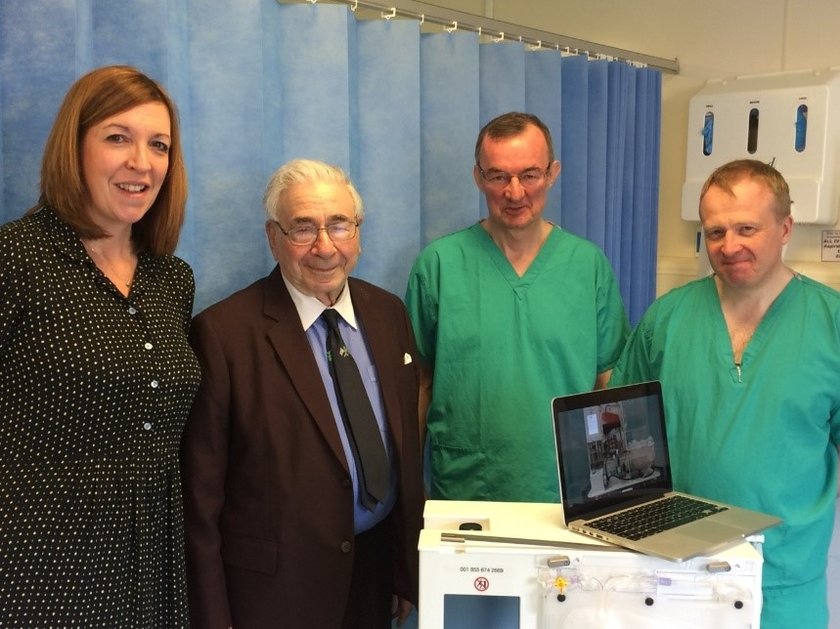
Addenbrooke’s, which performed Europe’s first successful human liver transplant in 1968 led by the late Professor Sir Roy Calne, began routinely perfusing livers in 2018 when it obtained a machine from the Oxford-based company Organox, and Addenbrooke’s Charitable Trust (ACT) launched a £250,000 appeal to pay for vital consumables, required in the early days of the programme. Since then, Organox has lent the Trust a second machine and together they have perfused more than 500 livers.
CUH honorary consultant and University of Cambridge Professor of Transplant Surgery, Professor Mike Nicholson, and Department of Surgery colleague Professor Sarah Hosgood, a Research Professor, have led on kidney perfusion.
Our selection as an ARC pilot centre reflects the hard work and dedication of all colleagues. Of course, we should never forget that the real heroes here are the donors themselves, and their families.
Prof Mike Nicholson, CUH honorary consultant and University of Cambridge Professor of Transplant Surgery
We are very proud of to be selected as an ARC pilot by NHSBT, which will help us build on the excellent results achieved here at Addenbrooke’s.
Prof Sarah Hosgood, Research Professor
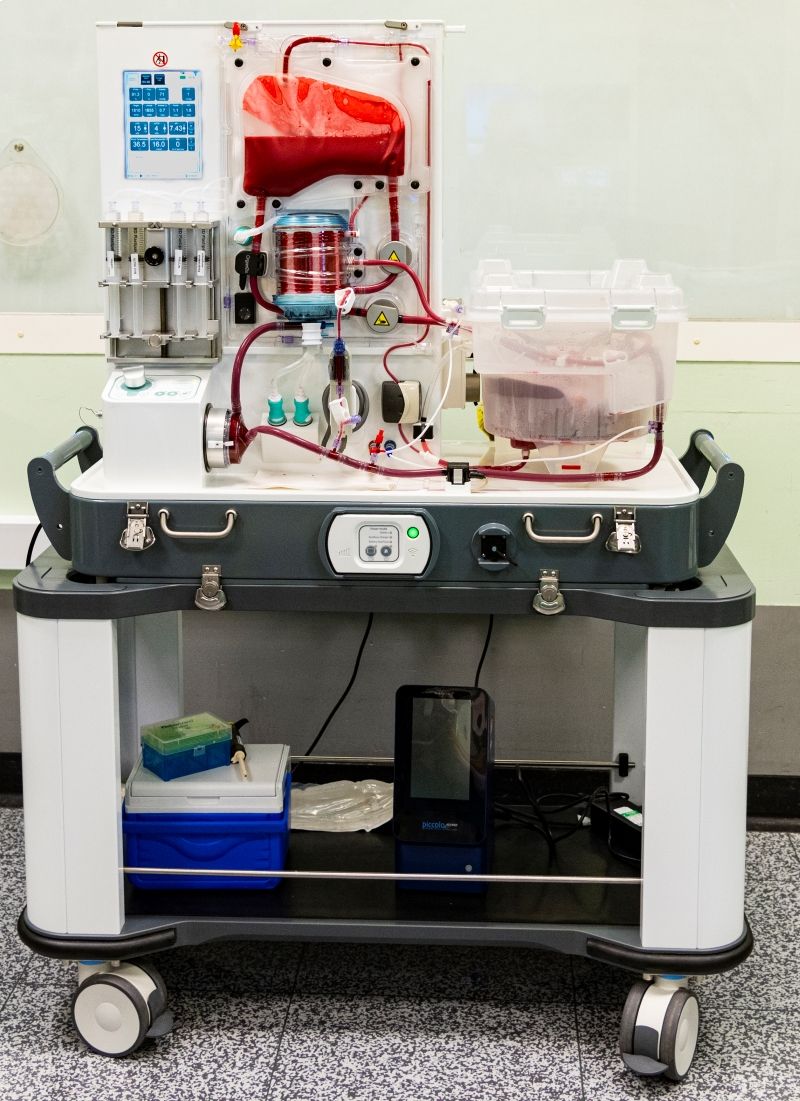
ACT CEO Shelly Thake added: “Some of the most advanced medical equipment, like the liver perfusion machine, can only help patients when paired with specialist single-use materials – the crucial ingredients that turn innovation into life-saving impact. This is what every supporter who donated to our £250,000 appeal and continues to support ACT has made possible, and for that we’re incredibly grateful.”
John Richardson, NHSBT assistant director of organ and tissue donation and transplantation, said: “Currently, many organs are declined for transplant as there's not enough time to know if they function well enough to be safe to transplant.
“In the ARCs pilot, machine perfusion unlocks our ability to better assess an organ’s function and identify if an organ is safe to transplant; organs which could not otherwise be used despite the gift of donation.”
Each year hundreds of people die waiting for a transplant and the potential donor pool is reducing as the population ages. As of the end of January, the national transplant waiting list stood at 8,237 people. Anyone who wants to learn more about organ donation or register their organ donation decision, should visit: www.organdonation.nhs.uk