

Transformed urgent and emergency care areas and a new digital registration and triage tool are part of plans by teams at Cambridge University Hospitals to help patients get the right treatment in the right place as quickly as possible this winter.
The innovations come as the Trust, which runs Addenbrooke’s and the Rosie maternity hospitals, prepares for the seasonal uplift in patients with winter-related respiratory conditions, illnesses and injuries aggravated by the cold weather.
The changes aim to improve how patients experience urgent and emergency care, reduce waiting times and help ensure patients get the treatment they need more quickly over the coming months.
Digital assessment and triage tool
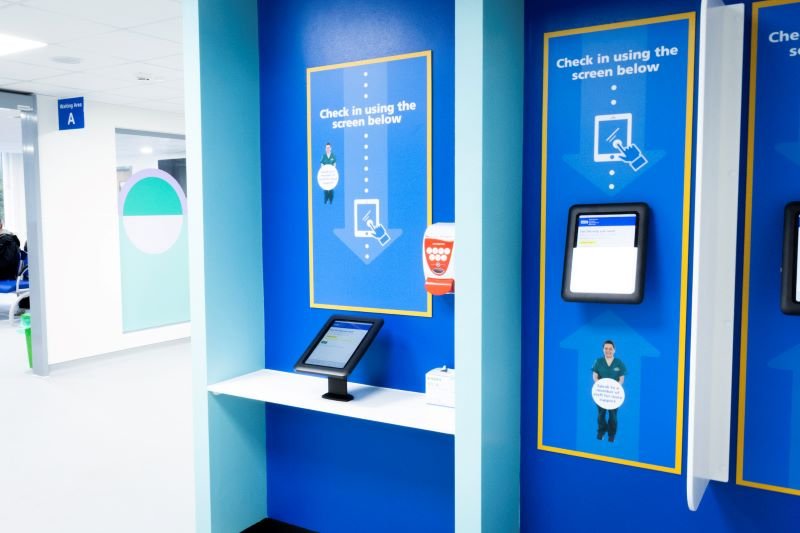
Patients arriving at the main Emergency Department, Children’s Emergency Department and refurbished Urgent Care Centre can now register their details on screens, with dedicated ‘care navigators’ on hand to support where necessary.
The digital assessment tool takes patients through a series of questions about their symptoms and existing health conditions, as well as their name, and address and GP details, to match their health record.
The tool triages patients, directing them to the best part of the emergency medicine service for their care.
Urgent Care Centre (UCC)
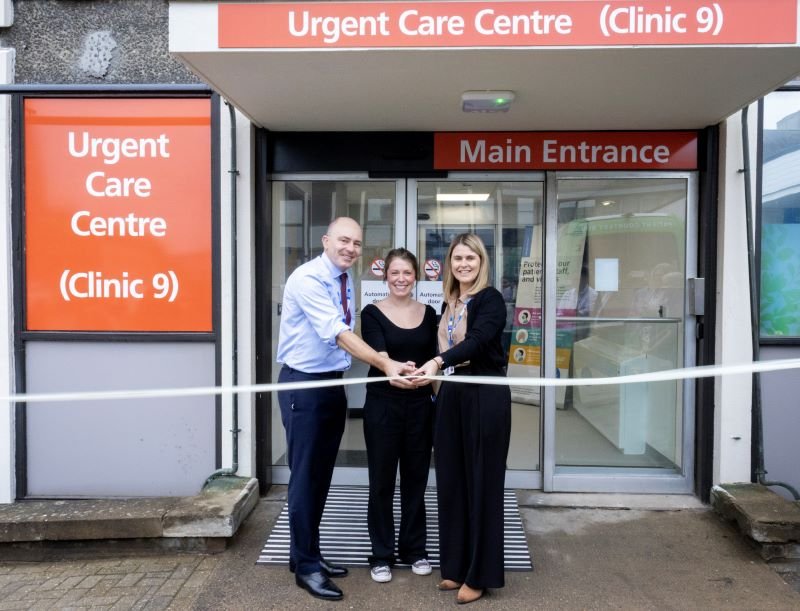
After more than a year of extensive renovation work, the Urgent Care Centre (formerly known as Clinic 9) has been completely remodelled and extended.
The UCC treats patients with minor injuries, accommodates the primary care GP service and provides additional capacity for assessing patients.
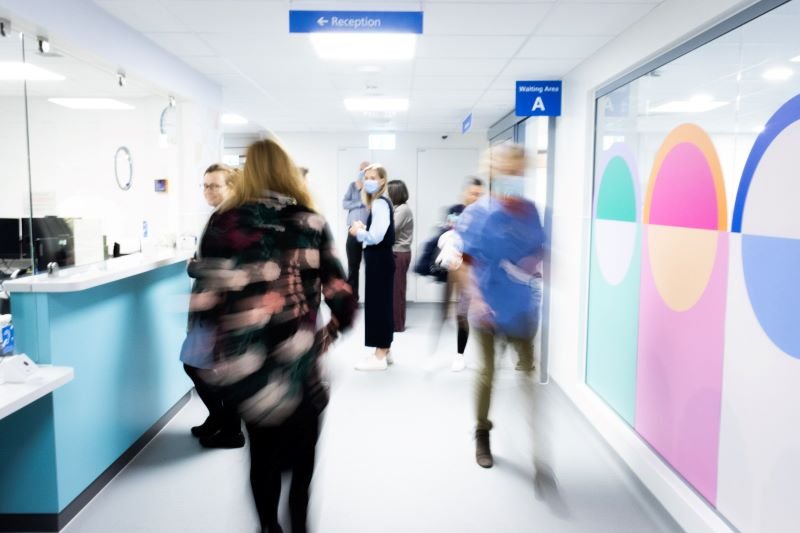
Now a bright, modern space, the UCC waiting area is larger, with double the number of seats. It includes a flexible space that can be opened up to maximise capacity or separated to create a dedicated area for children.
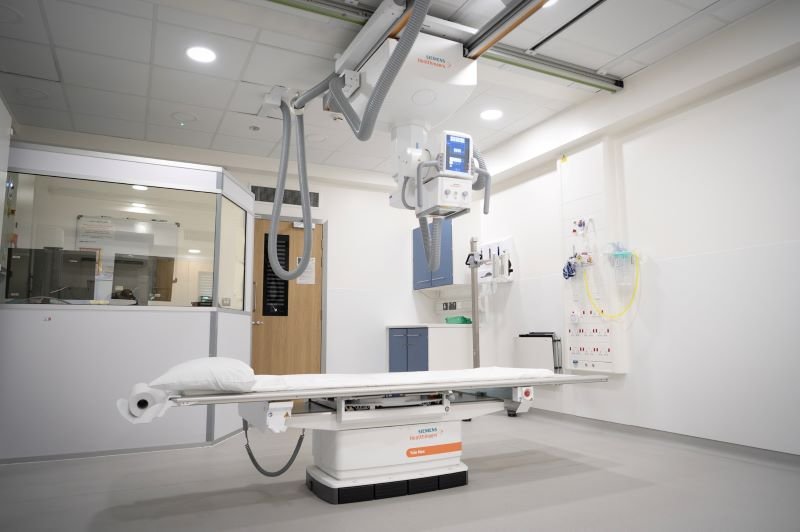
With 15 consultation rooms and additional cubicles and treatment chairs to improve patient flow, UCC also has dedicated X-Ray facilities. Triage space and diagnostics at the front of the building will help ensure rapid assessment and treatment for patients.
Screens also provide useful information such as bus times, and the entire space has been enhanced by artwork from local artist, Lucy Gough.

Emergency Department and wider innovations
The main entrance to the Emergency Department has also been updated with digital assessment booths installed at the front door, a new reception and larger waiting area with additional seating.
The innovations come as daily attendances to Addenbrooke’s ED continue to slowly increase (by 1% compared to last year) - with three days when there were more than 500 visitors to the ED. Despite this increase, the time patients spend in the ED has fallen by almost an hour on average, an 18% improvement compared to last year.
There has also been reduction in patients waiting more than 12 hours in ED and reduced ambulance handover times, as well as an improvement in the four-hour target for patients to be admitted, transferred or discharged.
Further digital innovations at CUH include a new Coordination Centre which will soon be fitted with easy-to-view large screens. The centre is home to a dedicated team that ensures resources, staff and facilities are used in the most efficient way to benefit patients. The screens will be linked to digital ‘ward boards,’ installed in many wards, replacing traditional white boards and paper-based systems. The system is designed to cut delays and is linked to the Trust’s electronic patient record system, called Epic.
The screens will display multiple dashboards showing real-time performance metrics such as bed occupancy, capacity, demand and ambulance times to help manage the flow of patients across departments and optimise how beds are allocated across the hospital.
Last year, new discharge lounges were introduced to free up beds for the next patients, and this winter there will an additional facility for surgical patients – many of whom increasingly have robot-assisted operations that reduce time in hospital.
More technology will be embraced to further extend the Trust’s popular virtual ward system, meaning additional patients can be cared for in the comfort of their own homes.
There will be closer working with partner agencies to discharge patients who are at the end of their acute journey, and ready for their next stage of care. A dedicated hospital post has been created to assist those with particularly complex needs, so patients ready for discharge can be returned to the community as quickly as possible.

Dr Stephen Wallis, deputy medical director for operations at CUH said:
The work everyone has done over the last year to transform urgent and emergency care at CUH has been incredible. The new Urgent Care Centre is fantastic and will make such a real difference to patients requiring treatment this winter. The changes to the ED and new digital assessment triage tool will help ensure timely, safe and high-quality care for our patients.
We would like to thank our staff for their commitment to making these changes happen, and for the hard work we know they will undertake over the winter period when we face additional challenges like flu and Covid.
The public can help by getting vaccinated where appropriate, if visiting wards, washing hands and using sanitising gel before entering and staying away if unwell, as well as wearing masks in the event this becomes a requirement.
Please keep an eye on our website for visiting times – since restrictions can be introduced at short notice – and pick up loved ones in a timely way once they have been discharged.
Dr Stephen Wallis
For latest information visit Information and support when visiting our hospitals | CUH For advice on vaccinations and staying well this winter visit the NHS website.