

A team from Addenbrooke’s Hospital has successfully completed the most complex robotic procedure since the introduction of robot assisted surgery at Cambridge University Hospitals (CUH) more than a decade ago.
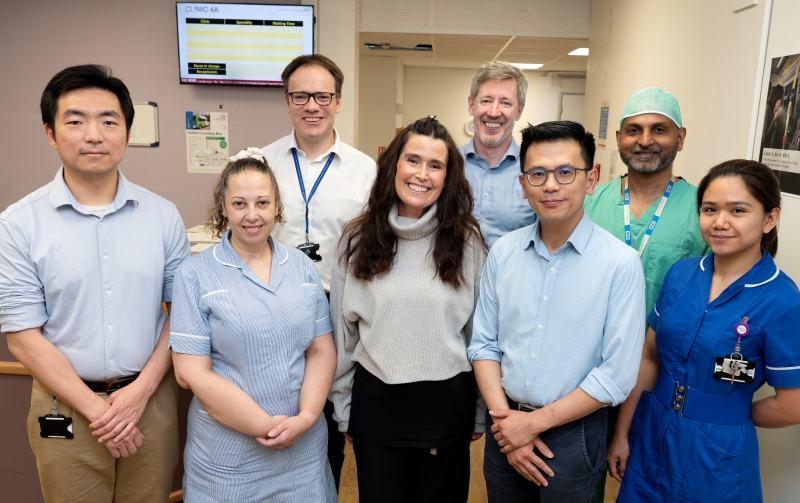
It is the first time in the East of England that a pancreaticoduodenectomy, or Whipple’s procedure as it is known, has been carried out robotically and is a milestone for CUH.
The Whipple’s procedure is likened to open heart surgery for the abdomen in terms of technical difficulty. Two robotic Whipple’s procedures took place within a matter of weeks at Addenbrooke’s, with Jia-Ling Ellis from Norwich and Jane Gardner from Cambourne both undergoing robotic assisted surgery to treat ampullary cancer (cancer at the bottom of the bile duct). Jia-Ling and Jane's stories are at the bottom of this article.
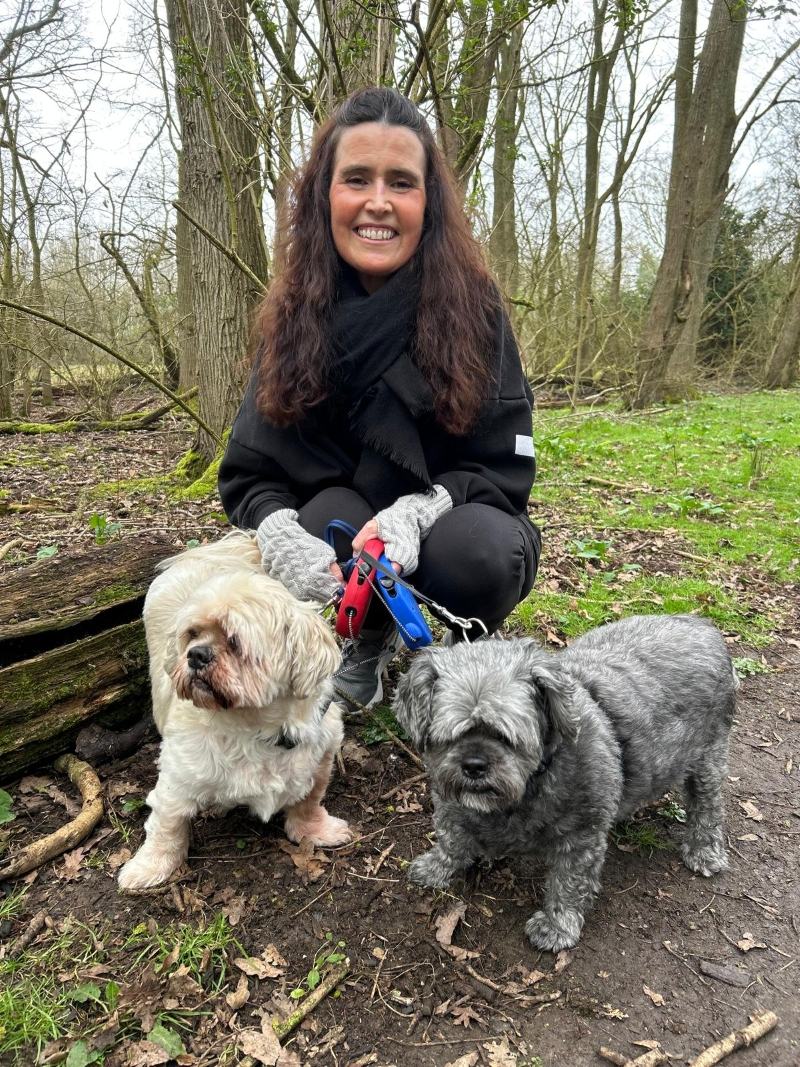
Each operation took around eight hours to perform and required two consultant surgeons jointly operating the robotic consoles. Despite the complexity of the operations, Jia-Ling and Jane expressed surprise at their fast recovery, lack of pain and reduced scarring - key benefits of robot-assisted surgery.
The Whipple’s procedure involves removing part of the stomach, small bowel, head of the pancreas, bile duct and gall bladder to treat malignant tumours, before then rejoining the remaining parts of the pancreas, bile duct, stomach and bowels.
As robotic assisted surgery is a form of minimally invasive surgery, performing such a complex procedure robotically, allows patients to make a faster recovery with a lower risk of complications compared to traditional open surgery.
Open surgery for Whipple’s procedure usually requires a hospital stay of 1-2 weeks followed by several months of recovery. After the procedures in January, Jia-Ling and Jane were in hospital for around two weeks as a precaution, followed by several weeks recovering at home. Both are now receiving preventive chemotherapy treatment.
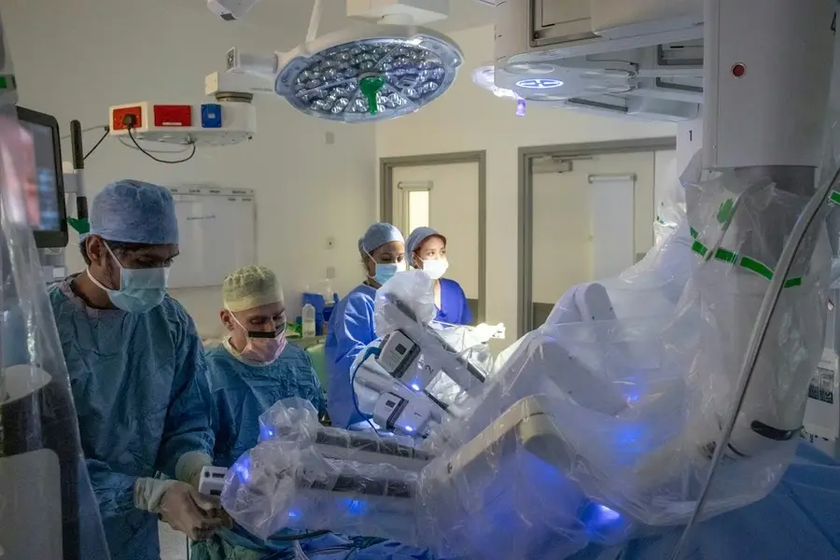
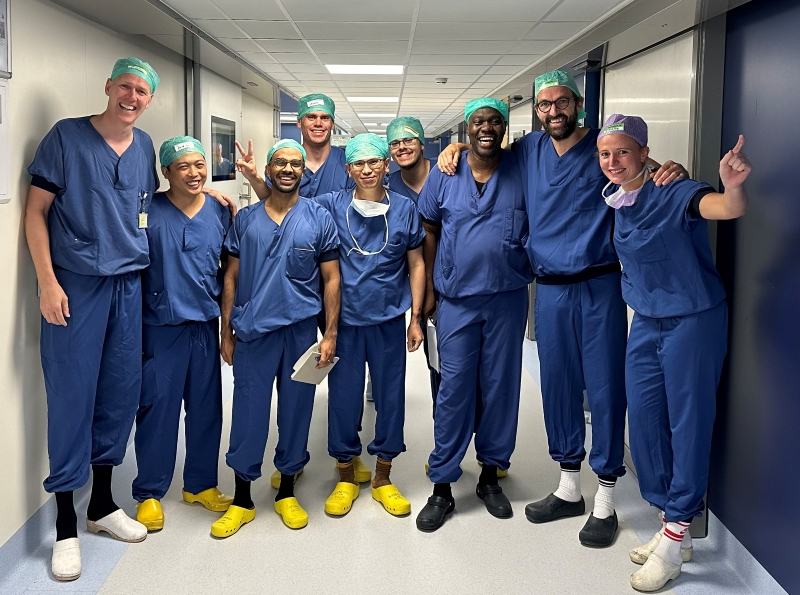
The milestone surgeries follow months of intense training and meticulous planning by teams at CUH to safely prepare for the procedures. Surgeons Mr Siong-Seng Liau and Mr Simon Harper completed additional robotic surgery courses, perioperative theatre staff did additional training, and a small team travelled to Amsterdam to observe live robotic Whipple procedures at a hospital specialising in complex pancreatic surgery.
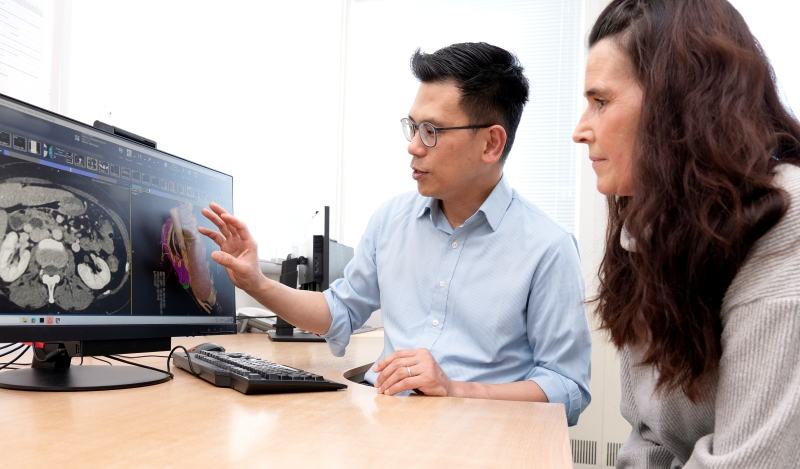
Consultant radiologist and clinical lead for MRI, Dr David Bowden modelled all the scans in 3D, to allow teams to visualise the anatomy, structures and tumours in advance and to guide the navigation of the robotic consoles. During the procedures, two external surgeons or ‘proctors’ oversaw the operations to ensure the highest safety standards were met.
As the only centre in the East of England specialising in surgery of the liver, pancreas and bile ducts, performing a robotic Whipple’s procedure is a milestone for the region.
Robotic surgery was first introduced at CUH in 2005. A second da Vinci robot was unveiled in 2023 following a £1.5m fundraising campaign by Addenbrooke’s Charitable Trust (ACT). The da Vinci Xi dual console surgical systems have revolutionised patient care and surgical training across six specialties - urology, gynae-oncology, gynaecology, colorectal, ENT (ear, nose and throat) and HPB (Hepato-Pancreato-Biliary - diseases of the liver, pancreas and biliary tree). The Trust leased a third robot in 2024, a CMR Surgical Versius, allowing surgical teams to add further benign gynaecological and colorectal specialities to the service.
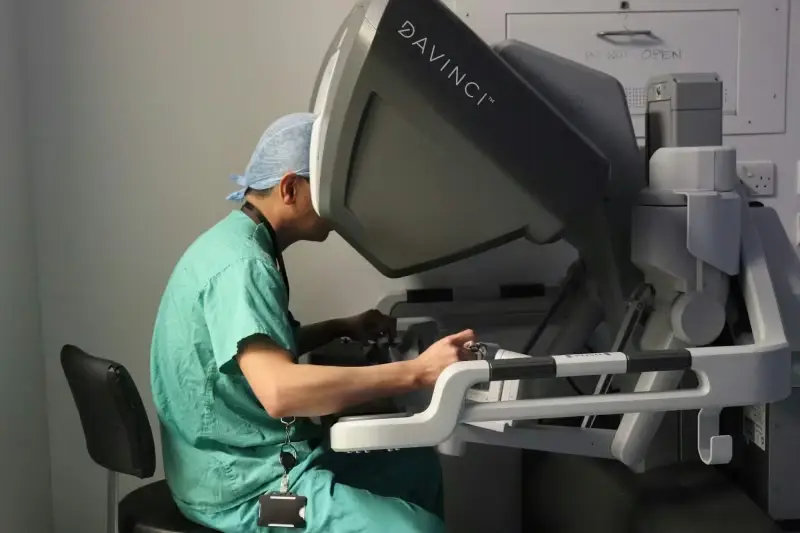
The CUH Robotic Surgery Steering Group (RUG) worked with ACT and the Trust to set-up the multi-specialty robotic service.
Chair of RUG and hepatobiliary surgeon, Mr Siong-Seng Liau said:
Since the introduction of multi-specialty robotic surgery at Addenbrooke’s more than three years ago, everything has been building up to this moment. The Whipple’s procedure is one of the most complex surgical procedures, so to have performed it robotically, safely and successfully, is hugely significant for the Trust and for our patients.
Chair of CUH Robotic Surgery Steering group and hepatobiliary surgeon Mr Siong-Seng-Liau
Consultant HPB and robotic surgeon Mr Simon Harper, who carried out the operations with Mr Liau, said:
While the Whipple procedure is life-saving, it is technically challenging and associated with significant risks. It is testament to the meticulous planning, training and preparation by so many teams that we’ve performed it robotically for the first time at Addenbrooke’s. We are thrilled by the success of these surgeries and how well the patients have recovered.
Consultant hepatobiliary and robotic surgeon Mr Simon Harper
Addenbrooke’s Charitable Trust (ACT) is a supporter of the robot programme. To learn more about the charity and to make a donation visit the website (opens in a new tab) (opens in a new tab).
Our supporters’ generosity in funding the surgical robot truly is the gift that keeps on giving. This remarkable achievement marks the first operation of its kind to be carried out in our region, and is testament to how charitable funding can make an extraordinary difference to patient care and pioneering medical innovation. ACT is incredibly proud of what our community has enabled and the hospital teams that make these procedures possible.
Shelly Thake, Chief Executive of Addenbrooke’s Charitable Trust
Jia-Ling and Jane’s stories
Jia-Ling Ellis, 74, a retired healthcare support worker was diagnosed after being referred to Addenbrooke’s by her local hospital in Norwich. She said: “When Mr Liau asked if I wanted open surgery or robotic, I knew which option I wanted to go for! I woke in the recovery ward after the operation and was surprised that I didn’t feel any pain, I just felt a bit weak.”

Once home, I was surprised that I didn’t need to take many painkillers. My recovery has been brilliant - I only have small incisions, half an inch in size. It’s been wonderful to get back to some gardening. I feel so grateful for how smoothly everything went.
Jia-Ling Ellis
Jia-Ling and Jane Gardner are both now having a course of preventive chemotherapy following their recovery from surgery.
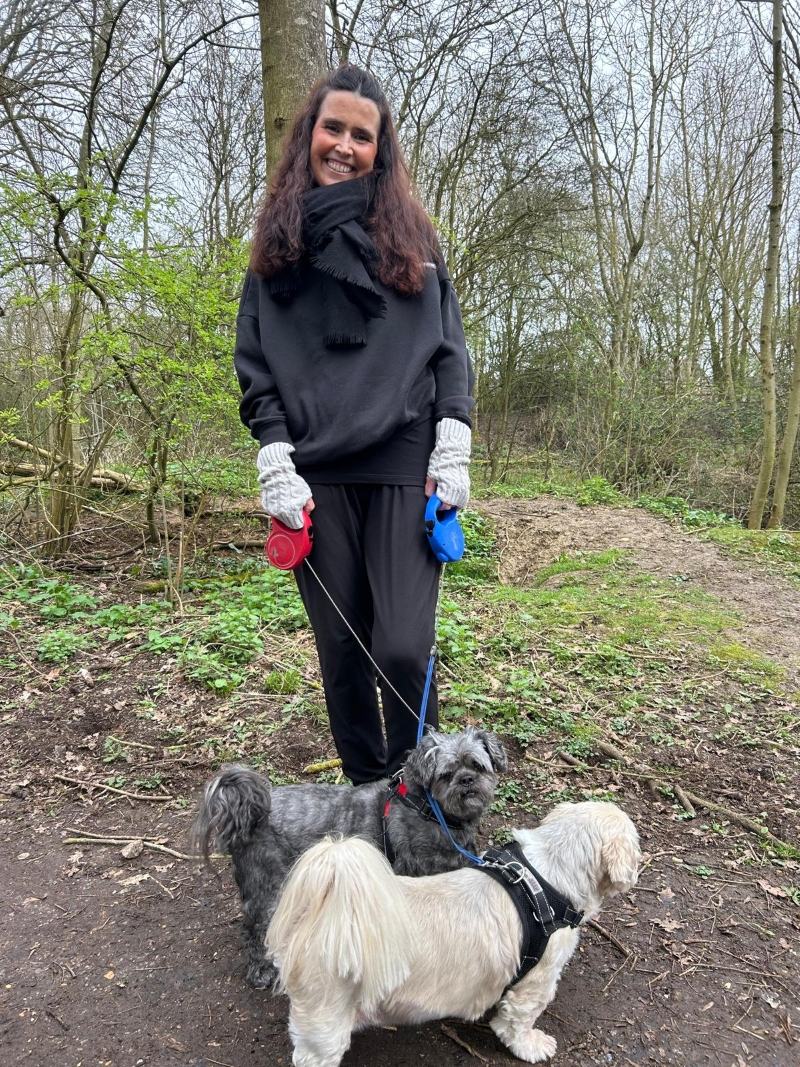
Jane from Cambourne says she cannot praise the surgical teams enough after her robotic-assisted surgery. The 53-year-old finance manager initially had her gallbladder removed in 2024 after a few months of feeling poorly and stomach pains. However, not long after moving from the South-West to Cambridgeshire, she began to feel nauseous and tired, and one of her three daughters noticed her eyes were yellow.
It all happened incredibly quickly. Ten days after being diagnosed with ampullary cancer, I woke up from surgery to be told I’d made history by being one of the first to have this major operation performed robotically! I was expecting to feel more discomfort once home, but I found I wasn’t needing pain relief and have enjoyed getting back to walking the dogs.
Jane Gardner
She added, “When my sister came to visit two weeks after the operation, she couldn’t believe how fast my recovery had been. It still feels rather surreal and I’m so grateful to all of the teams involved. I’m feeling positive about the future. My focus is on spending time with my partner, three daughters and grandchildren and hopefully arranging our postponed holiday to Australia.”