
Addenbrooke’s researchers have identified important new “red flags” to help clinicians more quickly spot a devastating flesh-eating disease called necrotising fasciitis (NF) that kills one in four patients, despite advances in modern medicine.
Researchers say although clinicians use a tool called the Laboratory Risk Indicator for Necrotising Fasciitis score (LRINEC), there are other signs they should look for to predict outcomes.
Age, immunosuppression and existing disease of the heart or kidneys are powerful independent predictors of possible mortality, while a lower white cell count due to immune exhaustion in severe sepsis is another – even though it is “counter-intuitive”.
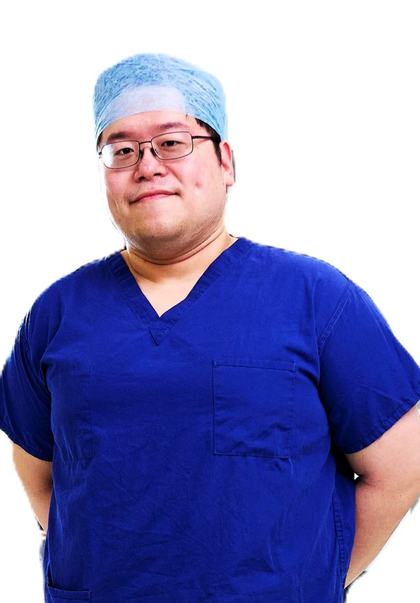
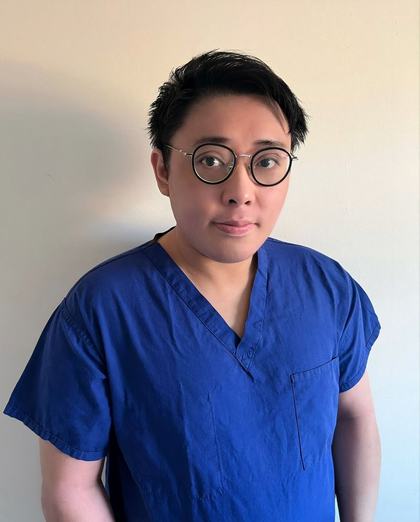
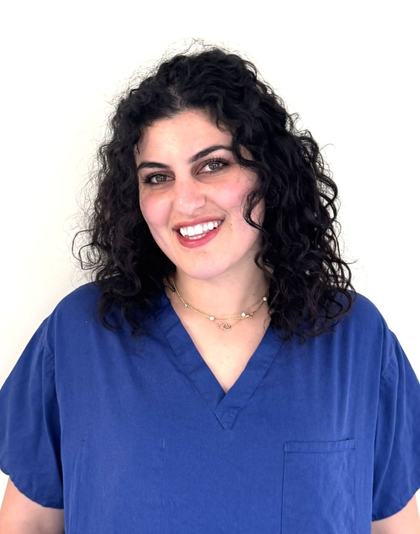
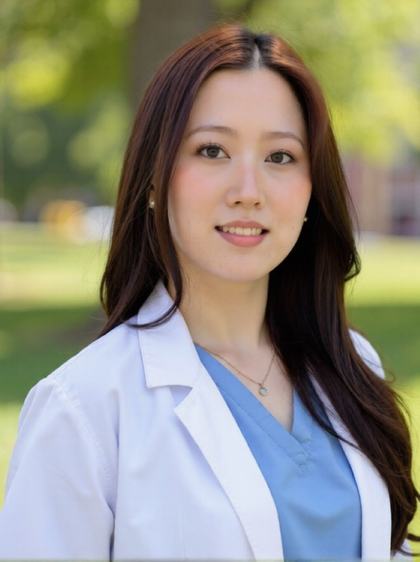
The research was led by plastic and reconstructive surgeons Mr Charles Loh and Mr Calver Pang and supported by colleagues Dr Rawan Jaibaji and Dr Mai Nishijo who examined data from 87 patients between January 2015 and March last year.
Their paper is published today in the Journal of Plastic, Reconstructive and Aesthetic Surgery, and called ‘A Ten Year Update on Necrotising Fasciitis at a Single Tertiary Centre: Factors Influencing Survival Outcomes’.
They evaluated timing and extent of surgical intervention, antibiotic regimes, and critical care support, and their relationship to clinical outcomes such as length of stay and mortality. By identifying patterns, they hope to contribute to improving early recognition.
Their paper explains:
Necrotising fasciitis (NF) is a rapidly progressive, life-threatening soft tissue infection characterised by widespread necrosis of the fascia and subcutaneous tissue. The disease often begins insidiously, but progresses rapidly, leading to systemic toxicity, multi-organ failure, and death if not diagnosed and managed promptly. As the infection progresses, patients may develop skin discoloration, blistering, crepitus, and signs of septic shock.
“The condition may be polymicrobial (Type I) or monomicrobial (Type II), with common causative organisms including Group A streptococcus, Staphylococcus aureus, and various anaerobes.
“Type I is more common in older patients and those with underlying comorbidities such as diabetes mellitus, immunosuppression, or peripheral vascular disease. In contrast, Type II may affect previously healthy individuals and is often more fulminant in its course. Early diagnosis is challenging due to the non-specific nature of initial signs and symptoms, and delays in recognition can lead to poor outcomes. Prompt diagnosis, surgical debridement, and broad-spectrum antimicrobial therapy are essential to improve survival.”
Commenting on the results they add: “In the univariate analysis mortality increased with age, ischaemic heart disease and chronic kidney disease. Multivariate analysis confirmed age, requirement for renal replacement therapy and/or ventilatory support, immunosuppression and while blood cell count as independent predictors of mortality.”
And the paper concludes:
NF is associated with high early mortality and ICU burden. Age, immunosuppression, and need for organ support are key mortality predictors. Early recognition and wide margin excision of infection tissue with ICU support remain critical for patient survival.
Mr Loh, who specialises in specialises in complex reconstruction for trauma and cancer and highly skilled in lymphedema surgery and super microsurgery, said he was proud of the team’s work.
He said:
While the comprehensive analysis of data from over a decade presented a major challenge, it was done to not only enhance the care of patients at our hospital, but to assist colleagues treating patients worldwide.
Mr Charles Loh
Caroline's story
In less than 36 hours social worker Caroline Fonjock went from feeling under the weather, to fighting for her life.
And after arriving at Addenbrooke’s emergency department in a semi-conscious state she had to come to terms with her need for an immediate operation – or she would die.
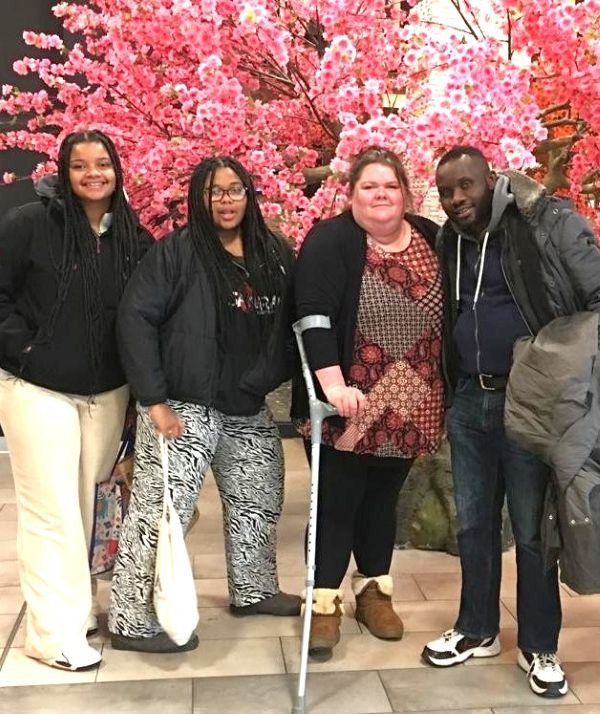
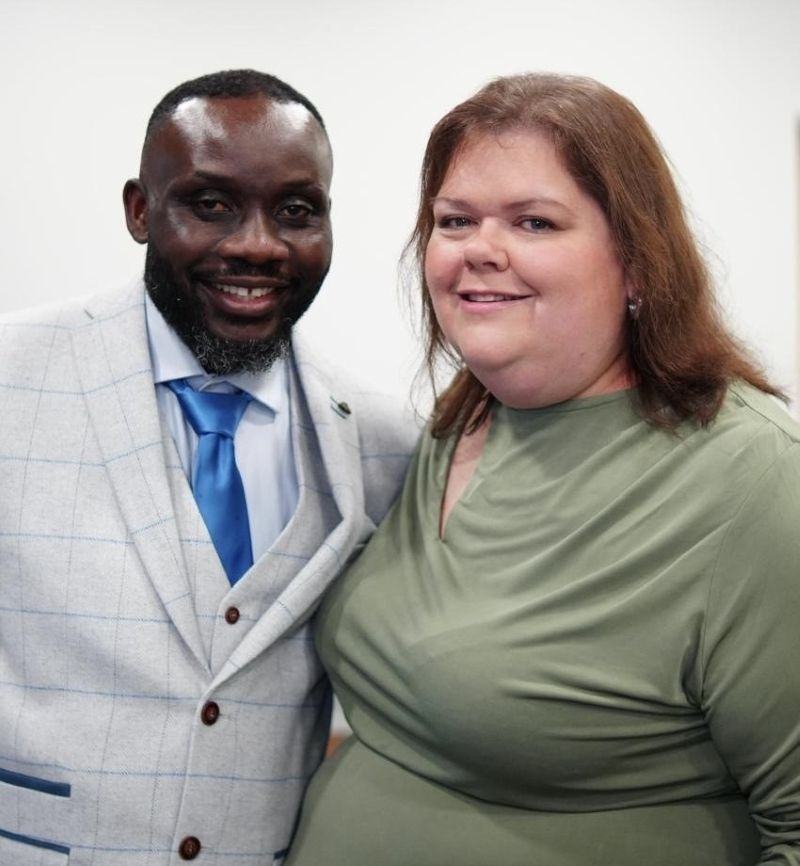
Caroline, 45, from near Haverhill, Cambridge said:
I feel blessed the doctor knew exactly what to look for. Equally, I felt sorry for my poor husband who had just lost his brother – and was now faced with losing his wife too. It wasn’t easy having to share that with our children.
Caroline Fonjock
It was during Covid in April 2021 when Caroline, who lives with Lionel, Eva, now 18 and Francesca, 16, noticed the start of a boil-like lesion at the top of her inner thigh. As someone with diabetes and a history of infections, sepsis and health issues, it did not strike her as too worrying.
However, after 36 hours and bouts of “black” vomiting, she was in an ambulance heading for Addenbrooke’s emergency department where the team identified NF and plastic surgeon, Mr Ian Grant, said he needed to get her into theatre.
Caroline said:
We were very frightened, but they were incredibly kind, really reassuring and explained the facts simply. Basically, I was going to be dead by the morning if we didn’t get on with it.
Caroline Fonjock
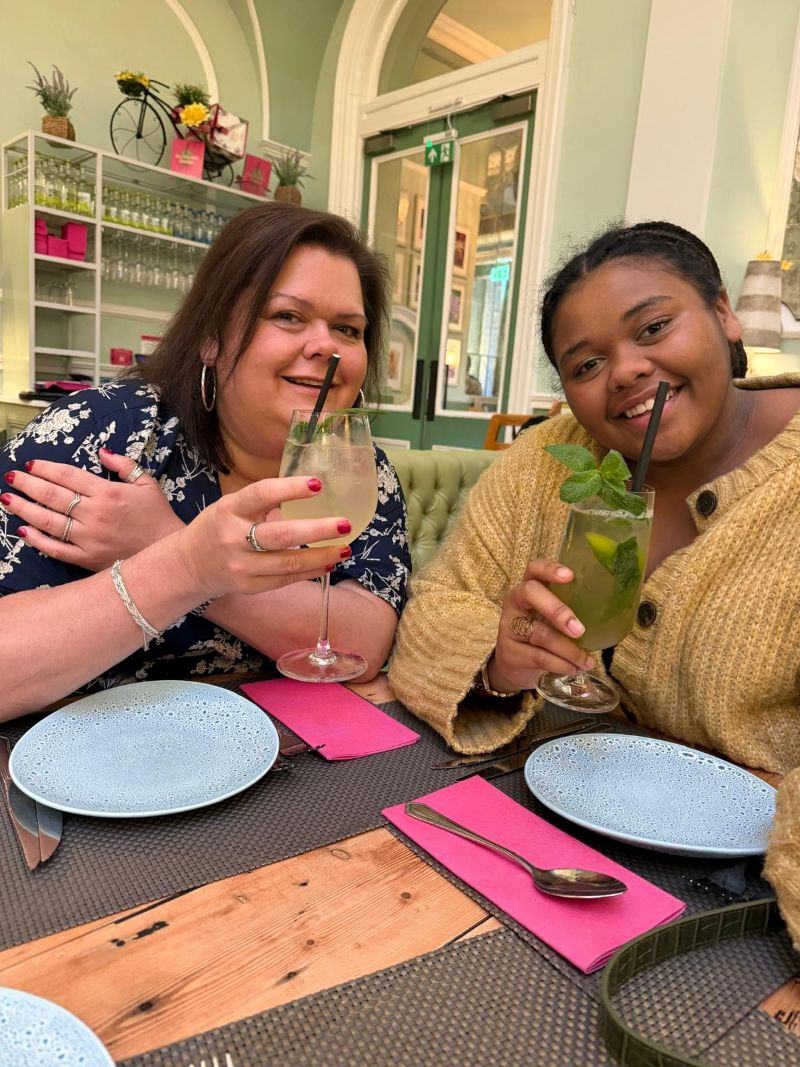
After a protracted operation to remove the infection, which was tracking six inches from the groin down the inner thigh, Caroline spent two weeks in a coma in intensive care followed by four weeks on a ward. Later, she was back for another month with an infection.
During that time Caroline, who woke in a delirious condition, re-learned to walk, talk and adjust to her new life, while navigating setbacks like a collapsed trachea (windpipe), lung problems and other complications.

Five years on Caroline is feeling at her strongest yet - and still marvels at the support she received from family, friends and villagers who “wrapped themselves around me” with practical help and love.
She said:
I am certainly not one to seek the limelight about my health issues, but I am very happy to share my story alongside this research if it helps doctors – and perhaps patients - recognise this condition at an earlier stage.
I feel blessed to be just 15 minutes from Addenbrooke’s and to have had Mr Grant there in the middle of the night helping to save my life. The scar, while not pretty, is better than losing a limb, or worse.
Caroline Fonjock

Mr Grant stressed that treating any patient is a team effort adding:
We applaud Caroline, and her family, for their bravery. She was gravely ill when we first met, and we are delighted to learn she is making such progress.
“With diseases as aggressive as this, it is vital that we share experience and research to increase the chances of positive outcomes.”