Dr Jyoti Nangalia, Professor James Nathan, Professor Stefano Pluchino and Professor George Vassiliou have today been named Fellows of the Academy of Medical Sciences, one of the UK’s leading scientific organisations.
The fellowships recognise outstanding contributions to advancing medical science, including pioneering discovery research and translating innovation into tangible benefits for patients and the wider public.
- Jyoti Nangalia is a consultant haematologist at Addenbrooke's, a group leader at the Wellcome Sanger Institute and a group leader at the Cambridge Stem Cell Institute, University of Cambridge.
- James Nathan is an honorary consultant in respiratory medicine at Addenbrooke's and Professor of Respiratory Medicine at the Cambridge Institute of Therapeutic Immunology and Infectious Diseases, University of Cambridge.
- Stefano Pluchino is an honorary consultant neurologist at Addenbrooke’s and Clinical Professor of Regenerative Neuroimmunology in the Department of Clinical Neurosciences at the University of Cambridge.
- George Vassiliou is an honorary consultant haematologist at Addenbrooke’s and Professor of Haematological Medicine in the Department of Haematology at the University of Cambridge. He has a lab on the Cambridge Biomedical Campus at the Cambridge Stem Cell Institute.
The Academy of Medical Sciences has over 1,500 Fellows who are at the heart of the Academy’s work to nurture scientific talent and shape research and health policy in the UK and worldwide.
In total 60 new Fellows from more than 28 institutions have been announced today including eight in Cambridge.
Dr Jyoti Nangalia

I am honoured to be elected as a Fellow of the Academy of Medical Sciences and proud to be recognised alongside so many outstanding researchers.
Dr Nangalia's research focuses on understanding how changes in DNA that happen throughout our lives can drive cancer and other diseases.
She is known for linking changes in the gene calreticulin (CALR) to blood cancers known as myeloproliferative neoplasms. Testing for these changes is now recommended by the World Health Organisation and widely used to aid diagnosis and treatment. Clinical trials exploring new therapies that target CALR are also underway.
Dr Nangalia’s research has transformed understanding of how blood cancers develop and evolve over time. Her group has uncovered how some genetic changes that occur very early in life, even before birth, can cause disease many decades later. She has also found other changes that trigger rapid cancer growth, with important implications for earlier diagnosis and prevention.
Professor James Nathan
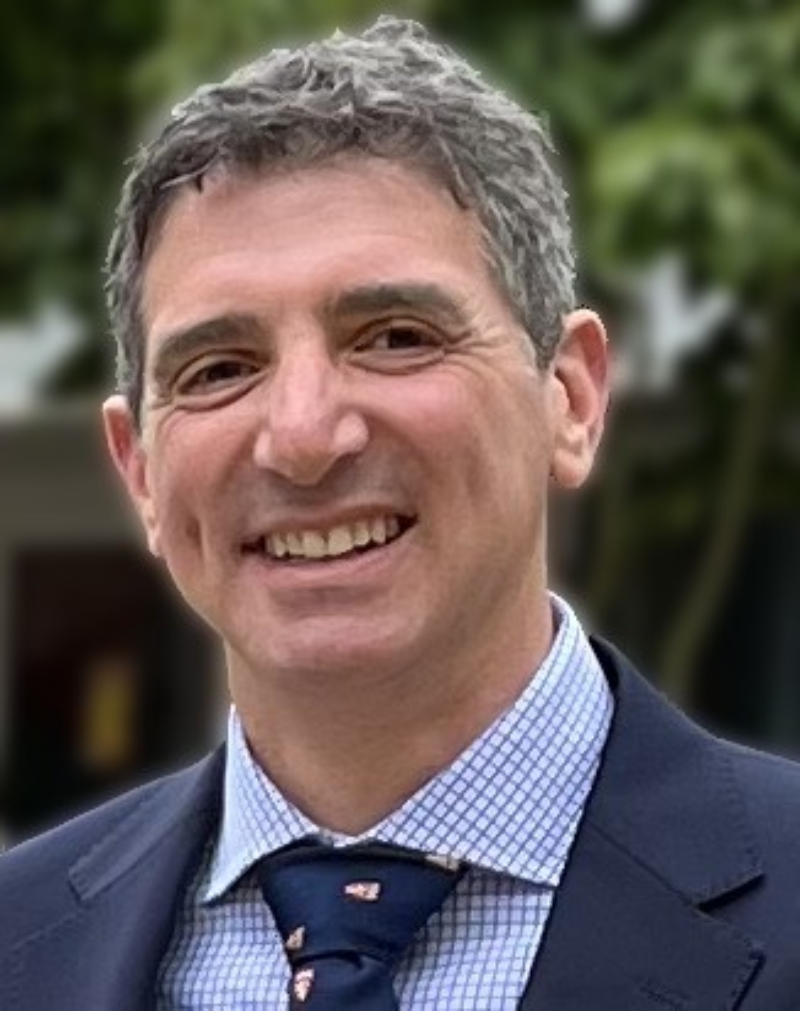
It is an honour to have received this fellowship, and it is thanks to the amazing team of scientists and clinicians that I work with. It is also great to have recognition of the importance of oxygen and nutrient-sensing in human disease, and we hope to make continued improvements in targeting these pathways for the benefit of treating cancers and inflammatory disease.
Professor James's research has contributed to our understanding of how cells sense oxygen and nutrients, pioneering genetic screening approaches that reveal how metabolism and oxygen-sensing can intersect to control inflammation and tumour growth.
His work has shown how the oxygen-sensing machinery of cells can be hijacked to drive cancer and reprogram immune cells. He has also uncovered new oxygen-sensing pathways, including a system to control cholesterol production with broad clinical implications for cardiorespiratory disease.
Professor Stefano Pluchino
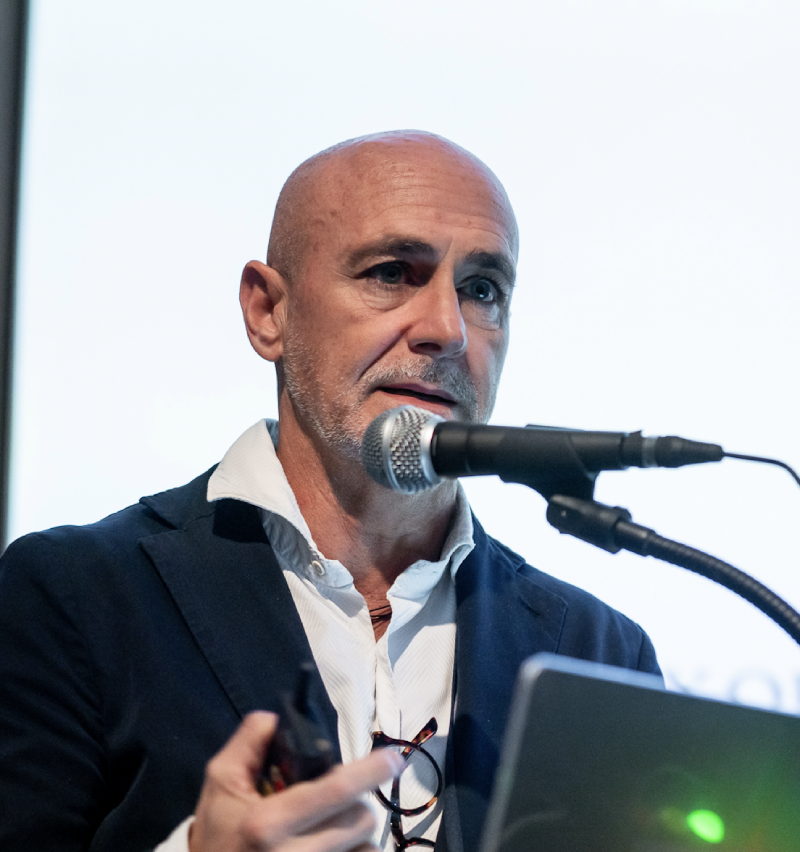
This election is a great honour and responsibility. I am dedicated to advancing stem cell technologies for neuroinflammatory diseases and fostering inclusive science for early-career researchers.
Trained in Italy at the University of Siena and the San Raffaele Scientific Institute in Milan, Professor Pluchino came to Cambridge in 2010.
His pioneering research has transformed our understanding of innovative therapeutics for neurological conditions, revealing that advanced therapies, including cell therapies, are able to reprogram the immune system to slow neurological disability.
Most recently, his team has been pioneering the use of advanced stem cell technologies that could lead to new treatments for multiple sclerosis.
Professor George Vassiliou
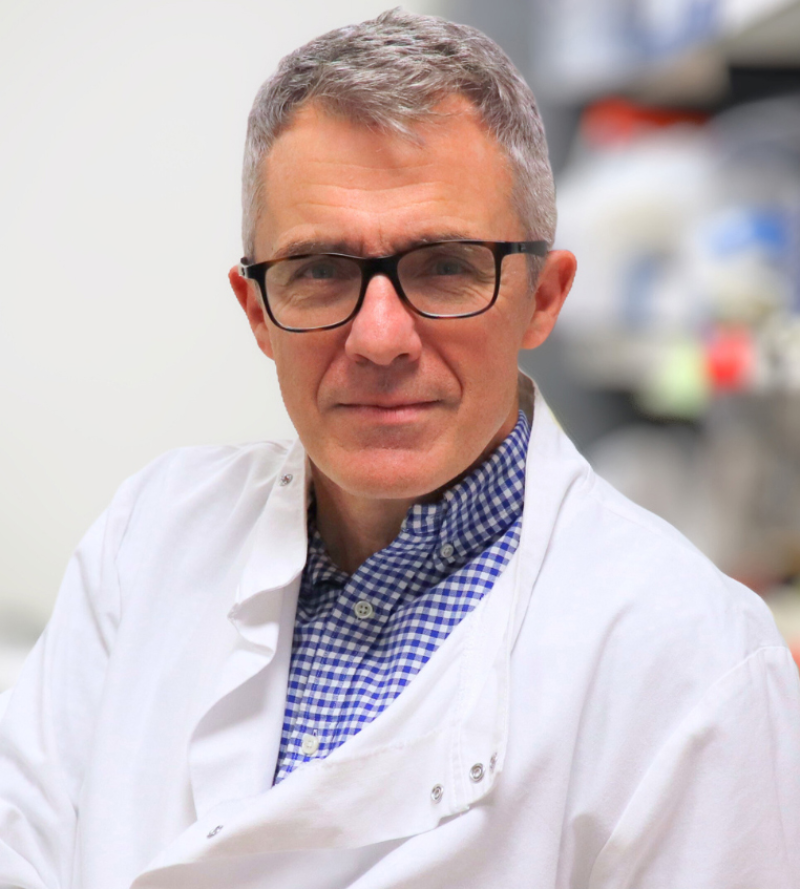
I am delighted and honoured to be elected a Fellow of the Academy. Medical Science is a team pursuit, and I owe this honour to the brilliance and dedication of my team and the generosity of my collaborators in Cambridge and beyond.
Born and raised in Cyprus, Professor Vassiliou trained in London and Cambridge. He established his research team at the Wellcome Trust Sanger Institute, moving to the University of Cambridge in 2019.
He is recognised for his pioneering research into the biology, pathogenesis and treatment of acute myeloid leukaemia (AML) and related cancers.
His work includes the co-discovery of clonal haematopoiesis (a condition affecting how bone marrow produces blood cells), transforming our understanding of how genetic changes and blood stem cell ageing drive the onset of leukaemia.
He has also explored the effects of key genetic changes in leukaemia and identified potential targets for treating AML by performing the first genome-wide screen of a human cancer using the gene editing technology CRISPR.
It is a privilege to welcome this outstanding new cohort to the Fellowship of the Academy of Medical Sciences. Each of our new Fellows brings exceptional expertise and a shared commitment to improving health through discovery research, clinical innovation, and the translation of evidence into practice and policy.
Professor Andrew Morris CBE FRSE PMedSci, President of the Academy of Medical Sciences
Read the full announcement from the Academy of Medical Sciences.