

An upcoming Cambridge-led trial in hearing loss has been called ‘life changing’ by Janine Roebuck, a deaf opera singer who regained her hearing thanks to cochlear implants. The UK trial will provide bilateral (both sides) cochlear implants to some profoundly deaf adults. The results will be used to review NHS guidance for the provision of implants to adults.
Each year over 1000 adults in the UK receive cochlear implants to restore their hearing. Under NHS guidance, adults currently only receive a single (unilateral) implant, yet evidence suggests having two could offer significant improvements in prospects and quality of life and may now be cost effective.
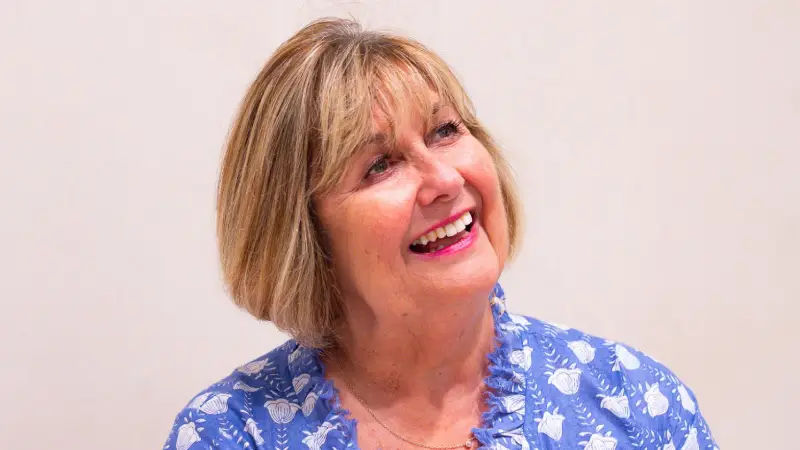
With bilateral implants, I no longer consider myself to be deaf. They have been utterly life changing and, for me, have broken a generational curse. I am excited that this trial will offer the same opportunity to others.
Janine Roebuck
Funded by the National Institute for Health and Care Research (NIHR), the trial is being co-led from Addenbrooke’s Hospital and the University of Cambridge. It will run in 14 hospitals and include over 250 adult participants, who will either receive one (unilateral) or two (bilateral) implants. Participants will be monitored for 12 months after surgery to assess the effects of the implants on wellbeing, ability to hear speech in noise, and quality of life. The study will also evaluate the economic benefits and cost of bilateral implants for the NHS.
The trial, which is expected to begin recruiting patients in the autumn, has been designed in collaboration with Janine and other patients. By involving individuals with lived experience of cochlear implantation, the researchers aim to measure changes that patients consider to be most important. The primary trial outcome will reflect participants’ own perceptions of their quality of hearing. The study will also measure common challenges faced by patients, such as listening effort and fatigue, a choice directly based on discussions with patient groups.
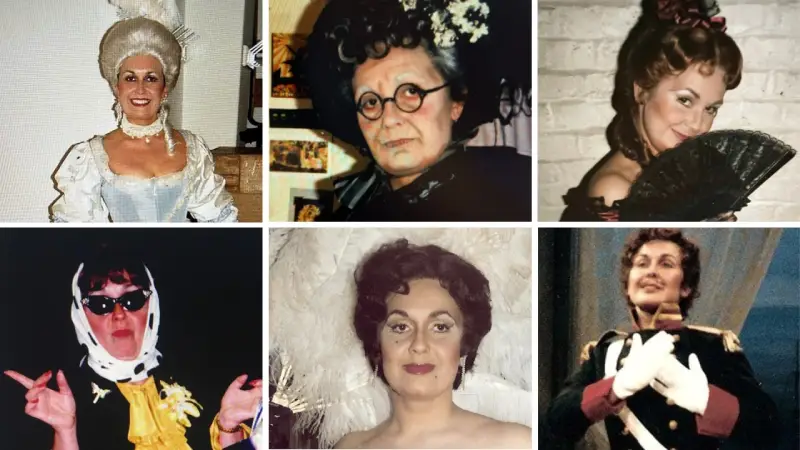
Janine was diagnosed as a teenager with a genetic condition that caused hearing loss and eventually led to her needing hearing aids. For over 30 years she hid her deteriorating hearing and became a well-known mezzo-soprano, performing in operas, operettas and musicals, including at the Royal Opera House in London.
It was only in 2019, after she had retired due to profound hearing loss, that she had cochlear implant surgery, and received bilateral implants partly through personal funding.
Having two implants is lightyears away from just one. Sound quality is so much better, sounds are fuller, clearer, louder and more natural. It’s much easier to tell where sounds are coming from, especially in busy spaces.
If you’re out in public, it can be hard to follow who is speaking, making joining in with conversations almost impossible. As a result, you have debilitating concentration fatigue at the end of every day.
Janine
Just like at the cinema, multi-directional surround sound is a key part of creating an engaging immersive experience. By comparison, living with one implant can be like listening to life through a single, poor-quality speaker.
Struggling to hear can be extremely isolating and many people experience anxiety or depression as a result. The implants are life changing. They reconnect you to the world and most importantly people. Communication is surely the longing of every human heart.
I also feel safer and more secure having the two implants. I am more aware of and connected to what’s happening in the world around me. And, if anything goes wrong with one of the implants, I’m not suddenly plunged into a world of total silence.
Janine
While hearing aids help people with mild to moderate hearing loss by making sounds louder, they often provide very little benefit for people with severe or profound hearing loss. Cochlear implants bypass the outer, middle and inner ear and send electrical impulses directly to the hearing nerve which carries signals to the brain.
Participants in the trial will need to have become deaf later in life and cannot already have an implant.
People with cochlear implants will also be involved in delivering the trial. They will be specially trained to participate in interviewing trial participants that will be used to measure the impacts of the trial.
Called LUCIA, the trial will be co-led by Mr Matthew Smith, an ear, nose and throat (ENT) surgeon at Addenbrooke’s Hospital, and Professor Debi Vickers, a speech and hearing scientist in the Department of Clinical Neurosciences, University of Cambridge, who leads the SOUND Lab.
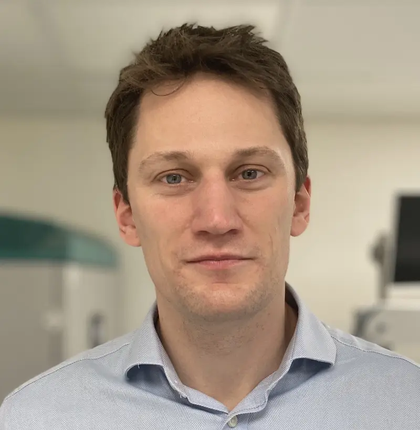
We know from giving bilateral implants to children that it can have a transformative effect on their quality of life and interactions with other people. Through this study, we can offer the same opportunity to adults who have become deaf, and understand the potential added value of bilateral cochlear implants, not just in terms of hearing, but also how they enrich quality of life.
Mr Smith, LUCIA trial co-lead, ENT surgeon at Addenbrooke's Hospital and academic surgeon, University of Cambridge
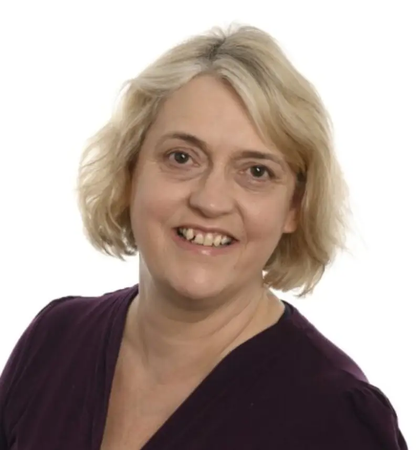
Professor Vickers, who also co-leads the Devices and Advanced Therapies theme at the NIHR Cambridge Biomedical Research Centre said: “Children routinely receive bilateral cochlear implants. These can provide 3-dimensional hearing, enabling them to hear more naturally than unilateral, with improved access to sound and better engagement with society. Adults tell us, and I agree, that they should be given the same hearing opportunities as children. In turn these will result in reduced social isolation, enriched communication, improved mental health, and better overall quality of life”.
Professor Anthony Gordon, Programme Director for the NIHR Health Technology Assessment (HTA) Programme, which funded the trial, said: "We fund innovative trials like the LUCIA study which explore how advances in technology can help make a positive difference to the day-to-day lives of those affected. This study offers real hope to people with severe hearing loss and the chance of a significant improvement in their quality of life."
Image details
Janine performed many roles during her career. Shown in the image above are:
- Top left - Une Coryphée in Alceste by Gluck at ROH Covent Garden
- Centre top - Cousin Hebe in HMS Pinafore by Gilbert and Sullivan at New Sadler's Wells Opera
- Top right - Flora in La Traviata by Verdi at New Sadler's Wells Opera
- Lower left - Thisbe in La Cenerentola by Rossini at Linbury Theatre, ROH Covent Garden
- Centre bottom - Isabella in Italian Girl in Algiers by Rossini on the Opera 80 Tour
- Lower right - Fatinitza in Fatinitza by Franz von Suppé at the John Lewis Partnership theatre, London