Babies at high risk of type 1 diabetes across the East of England are joining an international trial exploring whether vaccination against the SARS-CoV-2 virus could prevent the condition.
Around one in every 250 children in the UK has type 1 diabetes, which affects their ability to correctly regulate blood sugar. Diabetes can be effectively managed, however it can increase long-term risk of cardiovascular diseases, and cause damage to the nerves, kidneys and eyes.
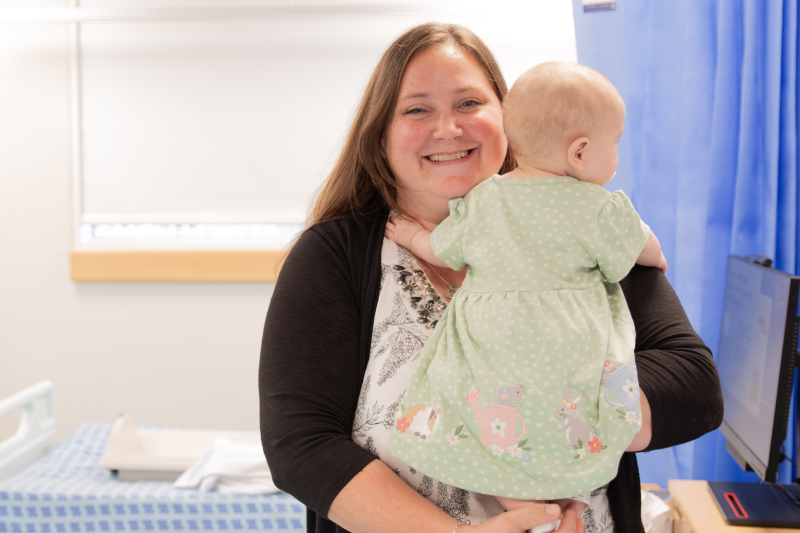
This trial could mean Elizabeth doesn’t have to live her life with diabetes, what parent wouldn’t want that for their child?
Nicole
Viral infections, such as COVID, can increase the risk of type 1 diabetes in young children that have a high genetic risk of developing the condition. The trial aims to prevent the onset of type 1 diabetes in children at a high genetic risk by vaccinating against SARS-CoV-2 infection.
Research during the COVID pandemic found that children under 18 months old that had a high genetic risk of diabetes and were infected with SARS-CoV-2, were five times more likely to develop proteins in their blood that can lead to diabetes.
During the trial, known as AVAnT1A, babies between the ages of six months and one-year either receive three doses of a COVID vaccine or a placebo.
The vaccine is approved for use in children of this age. They will then be followed up to the age of six to see whether they show early signs of developing diabetes.
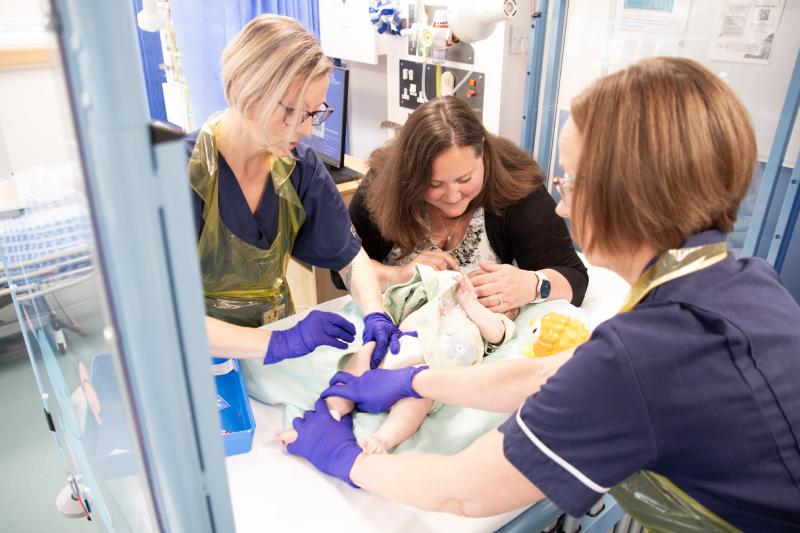
Baby Elizabeth was born in February 2025 and was one of the first to join the trial at Addenbrooke’s Hospital.
Even if she does start to show signs of diabetes, the extra monitoring we get as part of the trial means we’ll find out about it early.
Nicole
People with type 1 diabetes typically require lifelong insulin treatment and blood sugar monitoring. The cost of type 1 diabetes in the UK is estimated to be £1.9bn per year and is expected to rise to over £4bn by 2035.
Nicole, who lives with type 1 diabetes herself, said:
“Living with diabetes quickly becomes part of your routine, but it’s still an extra thing you always have to think about and there are times when it’s hard to manage, like when you’re ill, or during pregnancy. If there’s a chance that I can make Elizabeth’s life easier by stopping her developing diabetes then of course I want to take it.”
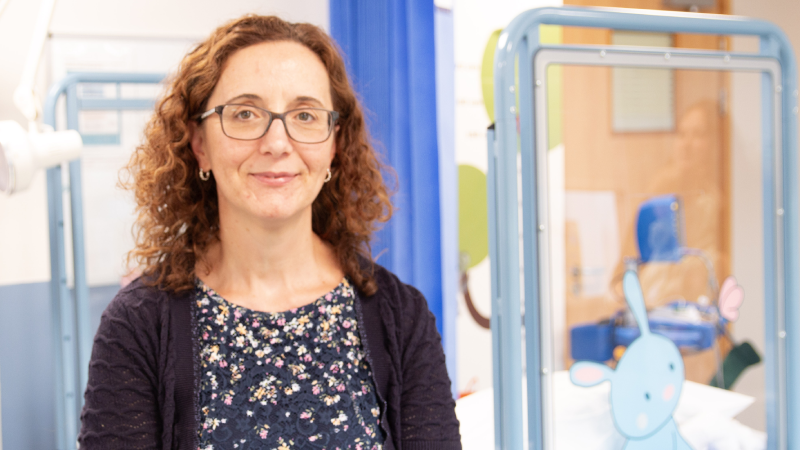
I am thrilled that we can now offer this trial at Addenbrooke’s. Preventing type 1 diabetes in children has huge potential to improve long-term health for thousands of people and save them from life-long dependency on treatments. There is extensive evidence that viral infections in the first years of life can be a trigger for type 1 diabetes. Vaccination could prevent this and reduce the number of children that develop the condition.
Dr Loredana Marcovecchio, a consultant in paediatric diabetes and endocrinology at CUH
Nicole was invited to enrol Elizabeth in the trial because a genetic test shortly after Elizabeth was born showed that she has a high risk of developing type 1 diabetes.
Families with babies less than six weeks old are being offered genetic screening for type 1 diabetes as part of a screening trials called INGR1D2. Where INGR1D2 screening shows that a baby is at high-risk of diabetes, their family can then be invited to receive the vaccine treatment as part of the AVAnT1A trial.
CUH is co-ordinating the trials across the East of England and so far around 8,000 babies in the region have had INGR1D2 screening, with around 20 recruited into AVAnT1A. The test can be performed using blood samples already collected as part of newborn screening, so no extra tests are required.
Nicole, who lives in Norfolk and has four children, said: “I strongly believe in taking part in research any time you get the chance, not just for yourself and your family but for the benefits it could offers others in the future."
I’ve taken part in several diabetes research trials myself, including during pregnancy, which has benefitted not only me, but also my children. For me, the more information you have about your health and the possible risks, the better.
Nicole
Elizabeth had her vaccinations in late 2025 at the National Institute for Health and Care Research (NIHR) Cambridge Clinical Research Facility (CRF). The team are then continuing to closely monitor her health to look for other signs of viral infections and indicators of diabetes. This will include collection of saliva, blood and poo samples, and regular visits with the trial team.
This preventative approach to treatment aligns with the vision of care for the new Cambridge Children’s Hospital, planned to be built opposite the Rosie Hospital on the Cambridge Biomedical Campus. The team will continue to harness advances in genomic medicine and life sciences research to prevent disease before it happens and to treat illness earlier and more precisely – giving every child the best possible start.
AVAnT1A aims to recruit over 2,000 families across Europe. Children invited to take part in the trial are predicted to have at least a one in ten chance of developing diabetes by the age of six based on their genetic screening results.
Type 1 diabetes represents around 8% of all diabetes cases and more than 90% of cases that affect children and young people. Unlike other types of diabetes, it is caused by the body’s defences attacking cells in the pancreas that produce insulin.
One of the key indicators that a person could develop type 1 diabetes is the presence of proteins called islet antibodies in their blood, which indicate that the immune system has attacked insulin-producing cells in the pancreas. Children in the AVAnT1A trial will be closely monitored for these islet antibodies.
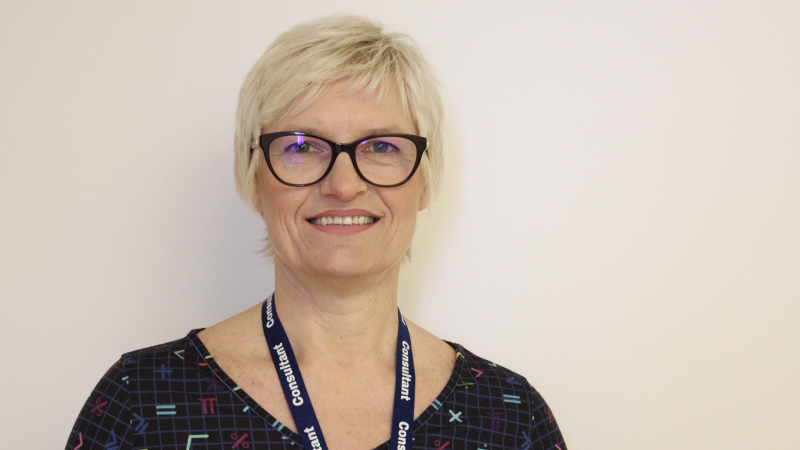
We are pleased to be able to offer genetic screening for diabetes risk here in Cambridge. The test is quick and reliable, requiring no additional samples to be collected. Parents have been very positive about participating in the trial.
Dr Katarzyna Gajewska-Knapik, consultant in obstetrics and feto-maternal medicine at CUH and lead for the INGR1D2 study in Cambridge
The study is open at sites in the UK, Austria, Belgium, Germany and Sweden. It aims to complete recruitment by 2030 with children being monitored for diabetes for several years following treatment.
Both INGR1D2 and AVAnT1A are studies being run by The Global Platform for the Prevention of Autoimmune Diabetes (GPPAD), a European research consortium established in 2017 with the aim of preventing type 1 diabetes. AVAnT1A is supported by the Helmsley Charitable Trust.